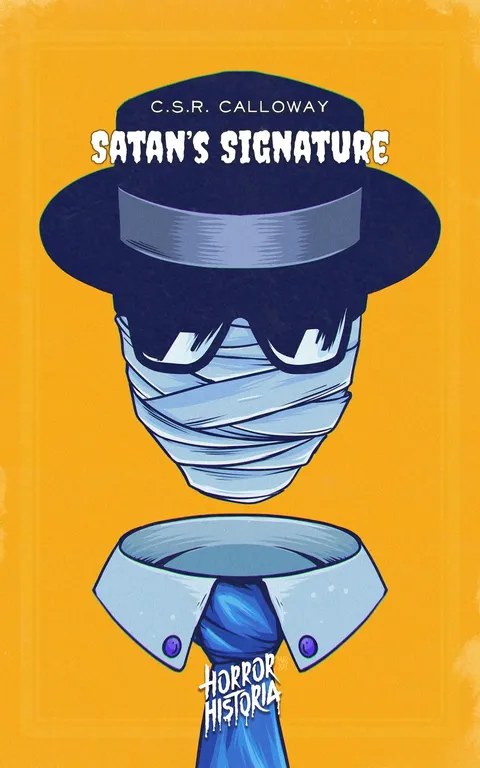
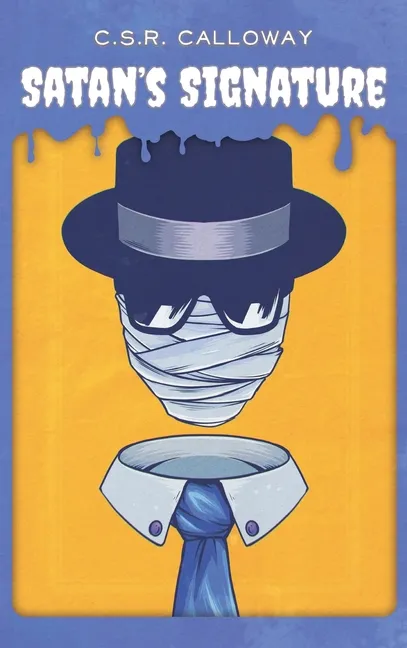
Satan's Signature
Jekyll and Hyde, the Invisible Man, and Other Mad Scientists
Report an issue
Tell us what's wrong and we'll take a look.
Thanks – we got it. We'll review and follow up if needed.
"The man's become inhuman, I tell you," said Kemp. "I am as sure he will establish a reign of terror-so soon as he has got over the emotions of this escape-as I am sure I am talking to you."
Whether creepily eccentric, dangerously ambitious, or downright villainous, the mad scientist has been influential on the horror genre ever since Dr. Victor Frankenstein created his monster. His literary descendants-found in notable works by writers as varied as Robert Louis Stevenson, Jack London, and H. G. Wells-are collected here in Satan's Signature.
Curated and edited by C.S.R. Calloway, Horror Historia brings together the most influential monsters and original gothic stories in one blood curdling collection.
Robert Louis Stevenson
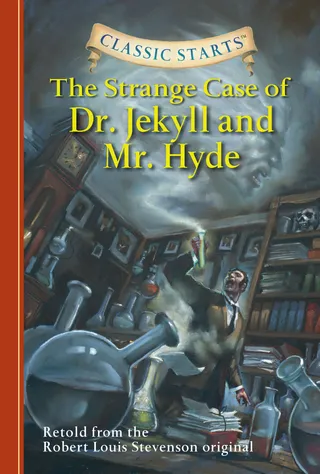
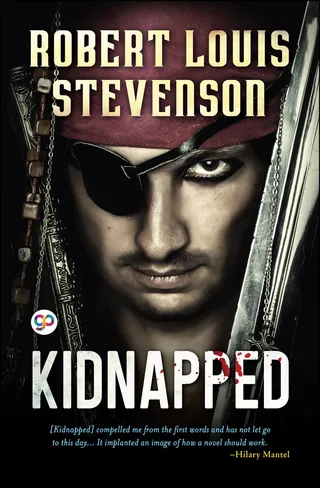
Robert Louis Stevenson was born in Edinburgh in 1850, the only son of an engineer, Thomas Stevenson. Despite a lifetime of poor health, Stevenson was a keen traveller, and his first book An Inland Voyage (1878) recounted a canoe tour of France and Belgium. In 1880, he married an American divorcee, Fanny Osbourne, and there followed Stevenson's most productive period, in which he wrote, amongst other books, Treasure Island (1883), The Strange Case of Dr Jekyll and Mr Hyde, and Kidnapped (both 1886). In 1888, Stevenson left Britain in search of a more salubrious climate, settling in Samoa, where he died in 1894.
More by Robert Louis Stevenson


Why Readwise Books?
Readwise Books is an ebook & audiobook platform that automatically logs how much you and your friends read, making it fun and easy to read more. Learn more →