Report an issue
Tell us what's wrong and we'll take a look.
Thanks – we got it. We'll review and follow up if needed.
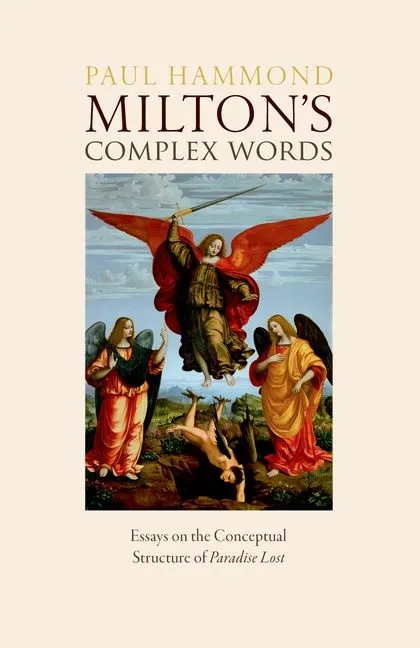
Some of these are theological or philosophical terms (e.g. 'evil', 'grace', 'reason'); others are words which shape the imagined world of the poem (e.g. 'dark', 'fall', 'within'); yet others are small words or even prefixes which subtly move the argument in new directions (e.g. 'if', 'not', 're-'). Milton seems to expect his readers to be alert to the special semantic field which he creates around such words, often by infusing them with biblical and literary connotations, and activating their etymological roots; alert also to the patterns created by the repetitions of such words, and particularly to their diverse use (and often their blatant misuse) by different characters. To understand the migrations and malleability of key words is part of the education of Milton's reader.



Why Readwise Books?
Readwise Books is an ebook & audiobook platform that automatically logs how much you and your friends read, making it fun and easy to read more. Learn more →