Report an issue
Tell us what's wrong and we'll take a look.
Thanks – we got it. We'll review and follow up if needed.
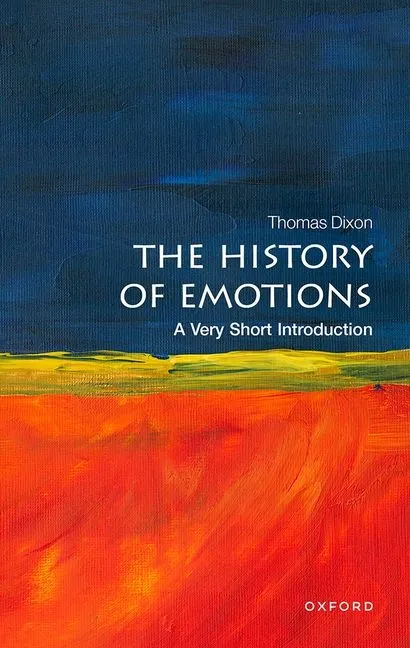
Emotions are complex mental states that resist reduction. They are visceral reactions but also beliefs about the world. They are spontaneous outbursts but also culturally learned performances. They are intimate and private and yet gain their substance and significance only from interpersonal and social frameworks. And just as our emotions in any given moment display this complex structure, so their history is plural rather than singular. The history of emotions is where the history of ideas meets the history of the body, and where the history of subjectivity meets social and cultural history.
In this Very Short Introduction, Thomas Dixon traces the historical ancestries of feelings ranging from sorrow, melancholy, rage, and terror to cheerfulness, enthusiasm, sympathy, and love. The picture that emerges is a complex one, showing how the states we group together today as "the emotions" are the product of long and varied historical changes in language, culture, beliefs, and ways of life. The grief-stricken rage of Achilles in the Iliad, the happiness inscribed in America's Declaration of Independence, the love of humanity that fired crusades and revolutions through the ages, and the righteous rage of modern protest movements all look different when seen through this lens.
With examples from ancient, medieval, and modern cultures, including forgotten feelings and the creation of modern emotional regimes, this Very Short Introduction sheds new light on our emotions in the present, by looking at what historians can tell us about their past. Dixon explains the key ideas of historians of emotions as they have developed in conversation with psychology and psychiatry, with attention paid especially to ideas about basic emotions, psychological construction, and affect theory.
ABOUT THE SERIES: The Very Short Introductions series from Oxford University Press contains hundreds of titles in almost every subject area. These pocket-sized books are the perfect way to get ahead in a new subject quickly. Our expert authors combine facts, analysis, perspective, new ideas, and enthusiasm to make interesting and challenging topics highly readable.
Thomas Dixon
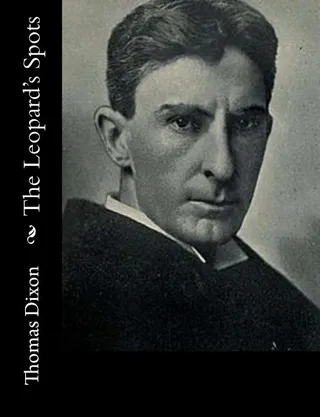
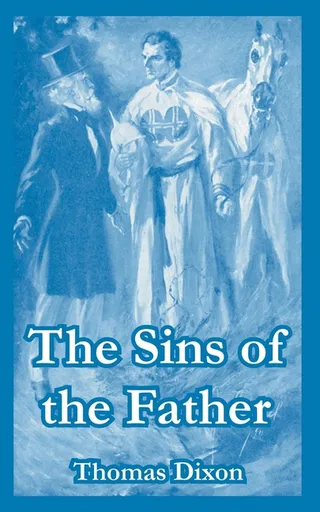
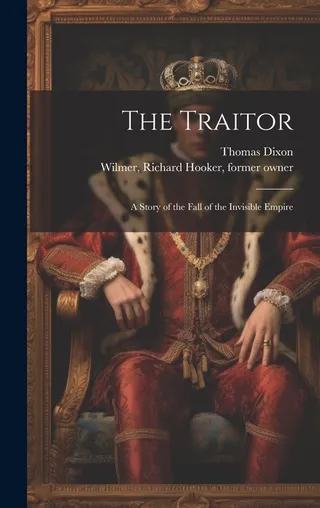
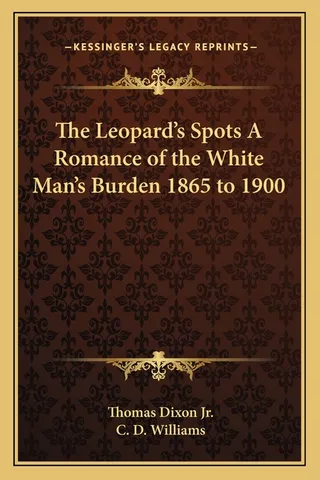
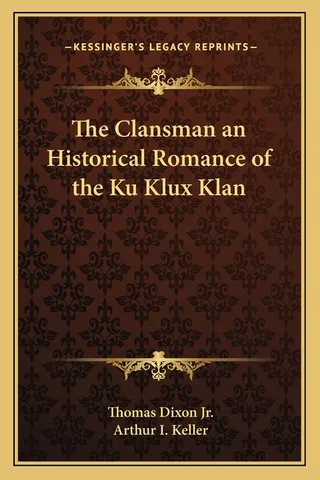
Thomas Dixon Jr. (1864-1946) was an American novelist, playwright, and minister known for his controversial works that often dealt with racial and social issues. Born in Shelby, North Carolina, Dixon came from a prominent Southern family and was educated at Wake Forest College and Johns Hopkins University. Dixon authored several novels and plays that reflected his views on race, society, and politics. His most famous works include "The Leopard's Spots" (1902), "The Clansman" (1905), and "The One Woman: A Story of Modern Utopia" (1903). These works explored themes of racial segregation, Southern identity, and his vision of utopian societies. Dixon's writings often stirred controversy due to their depiction of racial stereotypes and his defense of segregation and white supremacy. "The Clansman" was later adapted into the controversial film "The Birth of a Nation" (1915), directed by D.W. Griffith. Thomas Dixon Jr. remains a controversial figure in American literature and history, remembered for his provocative writings that reflected the racial tensions and ideological divides of the early 20th century. His works continue to be studied for their impact on American cultural and political discourse. Dixon passed away in 1946, leaving behind a complex legacy shaped by his literary contributions and his advocacy for a particular vision of Southern heritage and identity.
More by Thomas Dixon













Why Readwise Books?
Readwise Books is an ebook & audiobook platform that automatically logs how much you and your friends read, making it fun and easy to read more. Learn more →