Report an issue
Tell us what's wrong and we'll take a look.
Thanks – we got it. We'll review and follow up if needed.
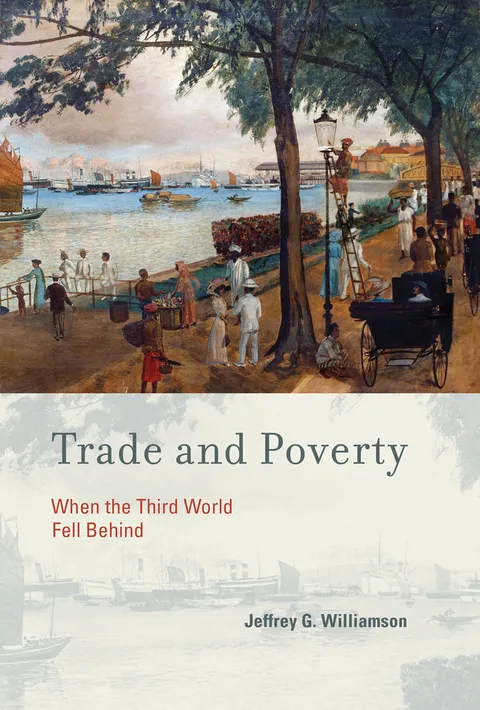
Today's wide economic gap between the postindustrial countries of the West and the poorer countries of the third world is not new. Fifty years ago, the world economic order--two hundred years in the making--was already characterized by a vast difference in per capita income between rich and poor countries and by the fact that poor countries exported commodities (agricultural or mineral products) while rich countries exported manufactured products. In Trade and Poverty, leading economic historian Jeffrey G. Williamson traces the great divergence between the third world and the West to this nexus of trade, commodity specialization, and poverty.
Analyzing the role of specialization, de-industrialization, and commodity price volatility with econometrics and case studies of India, Ottoman Turkey, and Mexico, Williamson demonstrates why the close correlation between trade and poverty emerged. Globalization and the great divergence were causally related, and thus the rise of globalization over the past two centuries helps account for the income gap between rich and poor countries today.


Why Readwise Books?
Readwise Books is an ebook & audiobook platform that automatically logs how much you and your friends read, making it fun and easy to read more. Learn more →