Report an issue
Tell us what's wrong and we'll take a look.
Thanks – we got it. We'll review and follow up if needed.
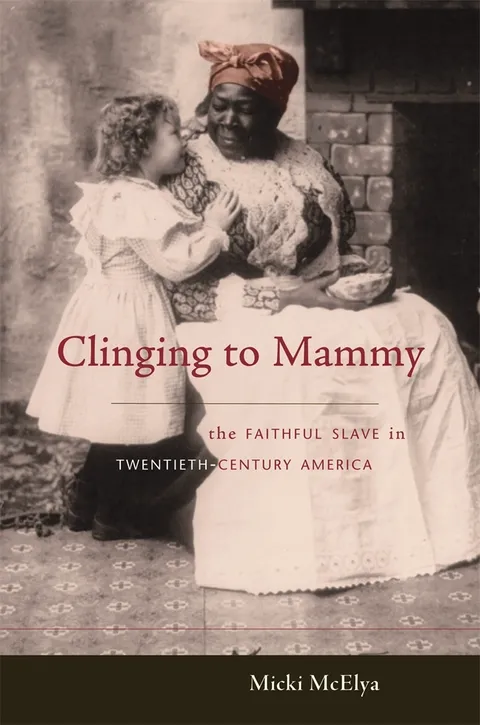
When Aunt Jemima beamed at Americans from the pancake mix box on grocery shelves, many felt reassured by her broad smile that she and her product were dependable. She was everyone's mammy, the faithful slave who was content to cook and care for whites, no matter how grueling the labor, because she loved them. This far-reaching image of the nurturing black mother exercises a tenacious hold on the American imagination.
Micki McElya examines why we cling to mammy. She argues that the figure of the loyal slave has played a powerful role in modern American politics and culture. Loving, hating, pitying, or pining for mammy became a way for Americans to make sense of shifting economic, social, and racial realities. Assertions of black people's contentment with servitude alleviated white fears while reinforcing racial hierarchy. African American resistance to this notion was varied but often placed new constraints on black women.
McElya's stories of faithful slaves expose the power and reach of the myth, not only in popular advertising, films, and literature about the South, but also in national monument proposals, child custody cases, white women's minstrelsy, New Negro activism, anti-lynching campaigns, and the civil rights movement. The color line and the vision of interracial motherly affection that helped maintain it have persisted into the twenty-first century. If we are to reckon with the continuing legacy of slavery in the United States, McElya argues, we must confront the depths of our desire for mammy and recognize its full racial implications.
Micki McElya
Micki McElya is a professor of history at the University of Connecticut, specializing in the histories of women, gender, race, and sexuality in the United States from the Civil War to the present, with an emphasis on political culture and memory. Her most recent book, The Politics of Mourning: Death and Honor in Arlington National Cemetery was a finalist for the Pulitzer Prize and received a number of other accolades; her 2007 book, Clinging to Mammy: The Faithful Slave in Twentieth-Century America was the cowinner of a 2007 Outstanding Book Award from the Gustavus Myers Center for the Study of Bigotry and Human Rights. McElya has written for The Atlantic and Boston Review, and her work has been featured in The New York Times, NPR, MSNBC, The Nation, Elle, and more. She is a graduate of Bryn Mawr College and New York University and is a Distinguished Lecturer for the Organization of American Historians. She lives in Cambridge, Massachusetts.
More by Micki McElya


Why Readwise Books?
Readwise Books is an ebook & audiobook platform that automatically logs how much you and your friends read, making it fun and easy to read more. Learn more →