Report an issue
Tell us what's wrong and we'll take a look.
Thanks – we got it. We'll review and follow up if needed.
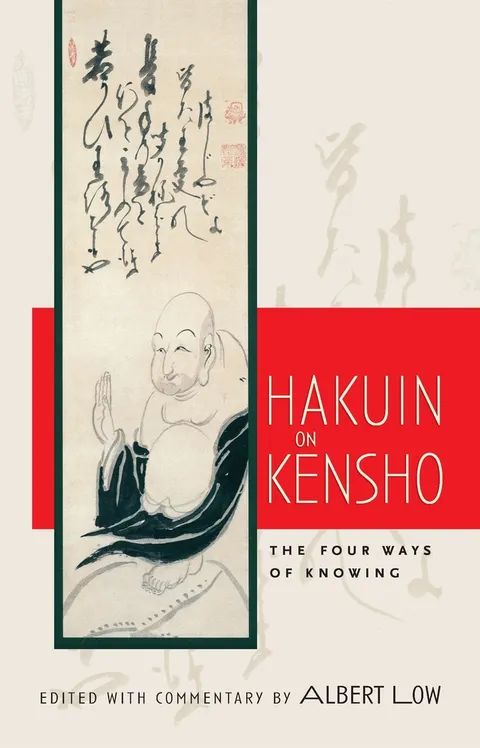
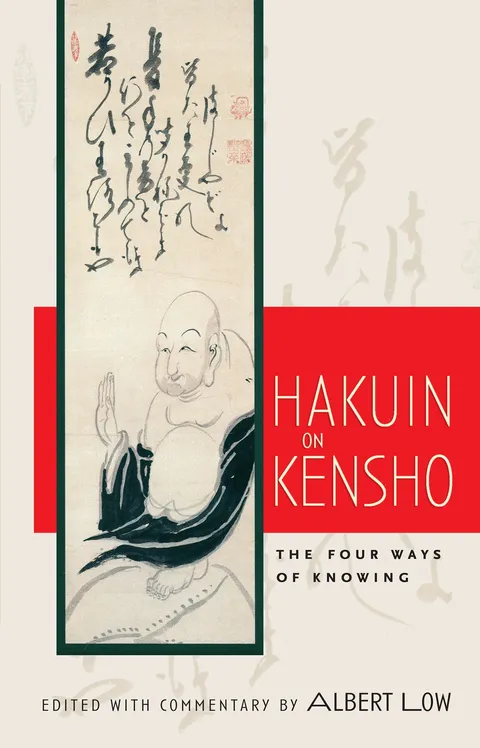
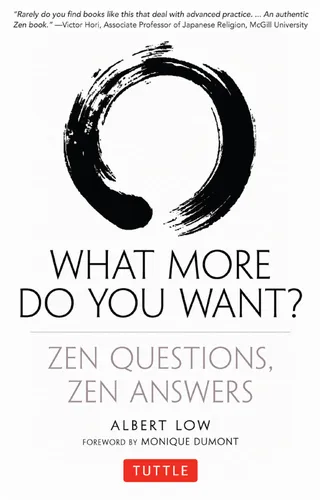
Kensho is the Zen experience of waking up to one’s own true nature—of understanding oneself to be not different from the Buddha-nature that pervades all existence. The Japanese Zen Master Hakuin (1689–1769) considered the experience to be essential. In his autobiography he says: "Anyone who would call himself a member of the Zen family must first achieve kensho-realization of the Buddha’s way. If a person who has not achieved kensho says he is a follower of Zen, he is an outrageous fraud. A swindler pure and simple."
Hakuin’s short text on kensho, "Four Ways of Knowing of an Awakened Person," is a little-known Zen classic. The "four ways" he describes include the way of knowing of the Great Perfect Mirror, the way of knowing equality, the way of knowing by differentiation, and the way of the perfection of action. Rather than simply being methods for "checking" for enlightenment in oneself, these ways ultimately exemplify Zen practice. Albert Low has provided careful, line-by-line commentary for the text that illuminates its profound wisdom and makes it an inspiration for deeper spiritual practice.





Why Readwise Books?
Readwise Books is an ebook & audiobook platform that automatically logs how much you and your friends read, making it fun and easy to read more. Learn more →