Report an issue
Tell us what's wrong and we'll take a look.
Thanks – we got it. We'll review and follow up if needed.
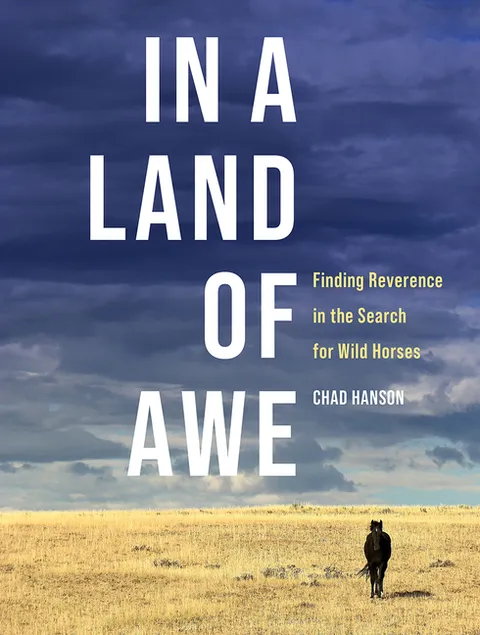
A stirring invitation to awe--and to what it means to be wild.
Out on the edges of our frantic twenty-first-century nation, bands of wild horses stand nestled together, calmly nuzzling each other to maintain the bonds of family. Prairie hills unfurl around them, and the sky provides their shelter. In the same states where factories churn, offices bustle, and cell phones demand our attention, remote places of solace and beauty rest, mostly undiscovered, in a parallel world that lies closer than we often imagine.
Through the lens of the wild mustang, social scientist and poet Chad Hanson gives us new ways to see and meaningfully engage our world as we enter new considerations about how we understand animals and our landscapes, our history, and ourselves. What is a wild animal? How do feelings of reverence reconnect us with nature? What can we learn from our wisdom traditions? And in the end, what would it look like if we managed public land with the common good in mind? With wisdom gathered from the histories of the American West, geography, philosophy, theology, and sociology, we meet awe anew. In the tradition of the great literary and nature writers, In a Land of Awe serves as a plea for what we stand to lose if we don't find the courage to protect the planet's most beautiful, and vulnerable, others.
Chad Hanson
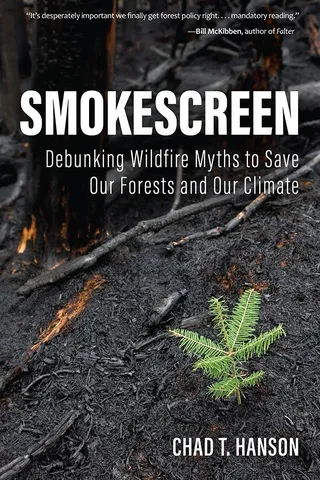
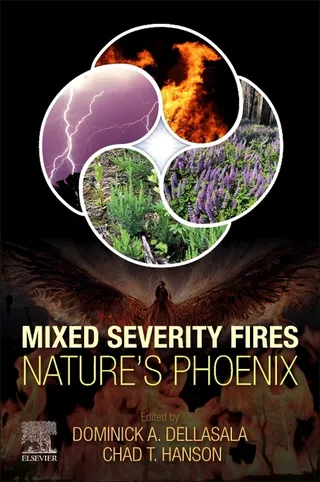
Dr. Chad Hanson is a research ecologist and the director of the John Muir Project of Earth Island Institute, located in Big Bear City, California. He has a Ph.D. in ecology from the University of California at Davis, with a research focus on fire ecology in conifer forest ecosystems, and he is the author of the 2021 book, "Smokescreen: Debunking Wildfire Myths to Save Our Forests and Our Climate", as well as the co-editor and co-author of the 2015 book, "The Ecological Importance of Mixed-Severity Fires: Nature's Phoenix" (Elsevier, Inc.). Research by Chad covers topics such as: natural post-fire forest regrowth and carbon sequestration; carbon flux in wildland fires; current forest fire patterns and trends; fire history; habitat selection of rare wildlife species associated with habitat created by high-intensity fire; and adverse impacts to wildlife caused by logging.
More by Chad Hanson



Why Readwise Books?
Readwise Books is an ebook & audiobook platform that automatically logs how much you and your friends read, making it fun and easy to read more. Learn more →