
Report an issue
Tell us what's wrong and we'll take a look.
Thanks – we got it. We'll review and follow up if needed.
The 2020 World Happiness Report ranked Finland, for the third year running, as the world’s happiest country.
The "Nordic Model" has long been touted as the aspiration for social and public policy in Europe and North America, but what is it about Finland that makes the country so successful and seemingly such a great place to live?
Is it simply the level of government spending on health, education and welfare? Is it that Finland has one of the lowest rates of social inequality and childhood poverty, and highest levels of literacy and education?
Finland clearly has problems of its own – for example, a high level of gun ownership and high rates of suicide – which can make Finns sceptical of their ranking, but its consistently high performance across a range of well-being indicators does raise fascinating questions.
In the quest for the best of all possible societies, Danny Dorling and Annika Koljonen explore what we might learn from Finnish success.
Danny Dorling
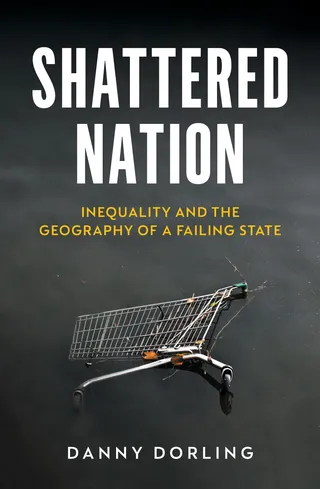
Danny Dorling is the Halford Mackinder Professor of Geography, Oxford. He appears regularly on TV and radio, and writes for the Guardian, New Statesman and other papers. Among his books are Population 10 Billion; Inequality and the 1%; Shattered Nation, which was shortlisted for the Bread and Roses prize, and The Next Crisis.
More by Danny Dorling





Annika Koljonen
Annika Koljonen graduated in Politics and International Relations from the University of Cambridge in 2019 and was an intern at the UN Human Rights Council in Geneva that year. She currently lives in Helsinki.


Why Readwise Books?
Readwise Books is an ebook & audiobook platform that automatically logs how much you and your friends read, making it fun and easy to read more. Learn more →