Willie Masters' Lonesome Wife
Report an issue
Tell us what's wrong and we'll take a look.
Thanks – we got it. We'll review and follow up if needed.
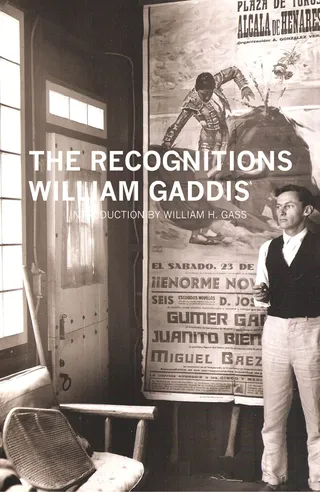
In this paean to the pleasures of language, Gass equates his text with the body of Babs Masters, the lonesome wife of the title, to advance the conceit that a parallel should exist between a woman and her lover and a book and its reader. Disappointed by her inattentive husband/reader, Babs engages in an exuberant display of the physical charms of language to entice an illicit new lover: a man named Gelvin in one sense, but more importantly, the reader of this "essay-novella" which, in the years since its first appearance in 1968 as a supplement to TriQuarterly, has attained the status of a postmodernist classic. Like Laurence Sterne and Lewis Carroll before him, Gass uses a variety of visual devices: photographs, comic-strip balloons, different typefaces, parallel story lines (sometimes three or four to the page), even coffee stains. As Larry McCaffery has pointed out, "the lonesome lady of the book's title, who is gradually revealed to be lady language herself, creates an elaborate series of devices which she hopes will draw attention to her slighted charms [and] force the reader to confront what she literally is: a physically exciting literary text."
William H Gass
William Gass (1924 - 2017) was an American novelist, short story writer, essayist, critic, and philosophy professor. The author of four novels and five books of essays, he was the recipient of grants from the Rockefeller, Lannan, and Guggenheim foundations, and received two National Book Critics Circle awards for Criticism.
More by William H Gass








Why Readwise Books?
Readwise Books is an ebook & audiobook platform that automatically logs how much you and your friends read, making it fun and easy to read more. Learn more →