Report an issue
Tell us what's wrong and we'll take a look.
Thanks – we got it. We'll review and follow up if needed.
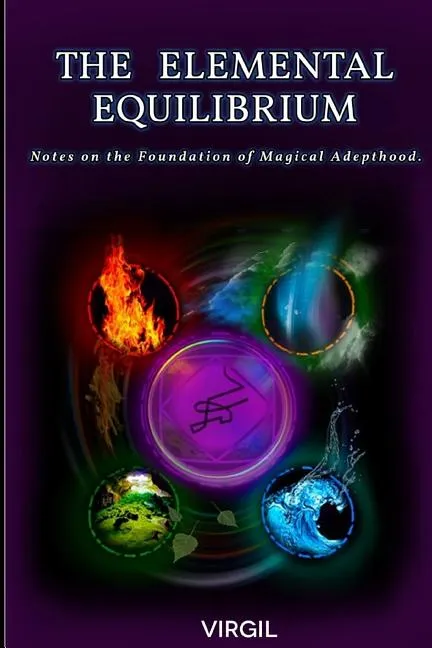
Establishing an elemental equilibrium-an inner state in which the elements constituting one's soul and spirit have been balanced and purified-has long been considered an essential prerequisite for advanced magical work. The master alchemists of the Middle Ages hinted at the importance of this state in their cryptic texts and emblems. The French magician Eliphas Levi considered this state to be the secret to controlling the astral light. Professor Gregory Ottonovich Mebes taught that this state is the key to acquiring divine authority. Throughout history, numerous occultists have become emotionally unbalanced and mentally deranged because they failed to establish this state within themselves before coming into contact with potent spiritual forces. Due to its importance, several of the more well-known magical orders in history have given their students rituals, meditations, and exercises to aid them in establishing an elemental equilibrium. Unfortunately, many of those practices were of dubious efficacy, and as a result, this state has continued to remain elusive for even the most sincere and dedicated students of magic. Those who dream of engaging the powers underlying magic or travelling through the inner planes may now do so safely. In this book, Virgil provides a thorough and easily understandable guide to establishing an elemental equilibrium. Upon doing this, any aspiring magician will have acquired the inner balance, strength, and purity needed to practice his art productively and effectively.
Virgil
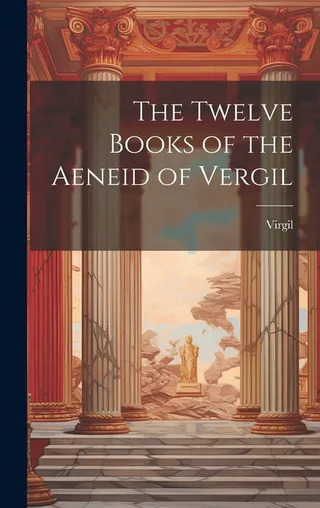
Born in 70 BCE, at the height of the Roman Empire, epic poet Publius Vergilius Maro, or Virgil, as he is now known, was the son of a farmer in Northern Italy. He was educated in Cremona, Milan and finally Rome before returning to the North to begin work on Eclogues which was published in 37BCE. When a civil war forced him south into Naples, he completed the farming poem Georgics. Soon after, Virgil began working on his masterwork, The Aeneid, a story that derived from the existing tradition of the Greek hero Aeneas. Virgil worked on The Aeneid for eleven years but was never satisfied enough to call it complete. After returning from Greece, Virgil fell ill, and before his death he ordered the incomplete manuscript be burned. He died in 19 BCE, and shortly after The Aeneid was published against his wishes.
More by Virgil






Why Readwise Books?
Readwise Books is an ebook & audiobook platform that automatically logs how much you and your friends read, making it fun and easy to read more. Learn more →