Report an issue
Tell us what's wrong and we'll take a look.
Thanks – we got it. We'll review and follow up if needed.
To be in harmony with nature, one must be true in thought, free in action, and clean in body, mind, and spirit. This is the solid granite foundation of character. Have you ever wondered why most great men were born in humble homes and passed their early youth in the open country? There a boy is accustomed to see the sun rise and set every day; there rocks and trees are personal friends, and his geography is born with him, for he carries a map of the region in his head. In civilization there are many deaf ears and blind eyes. Because the average boy in the town has been deprived of close contact and intimacy with nature, what he has learned from books he soon forgets, or is unable to apply. All learning is a dead language to him who gets it at second hand.
Charles A Eastman
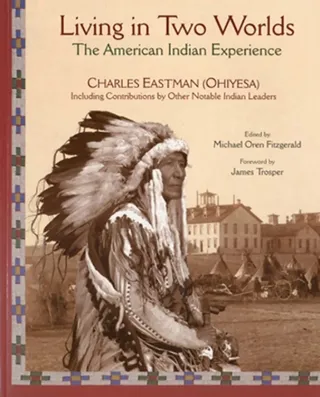
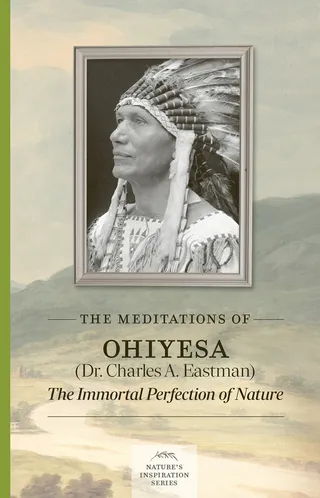
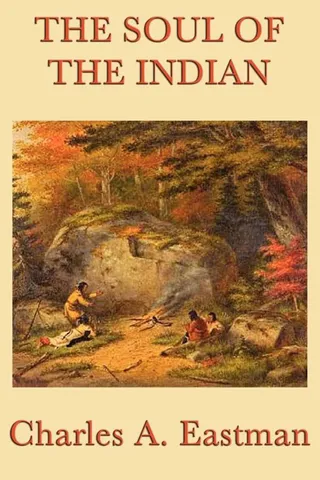
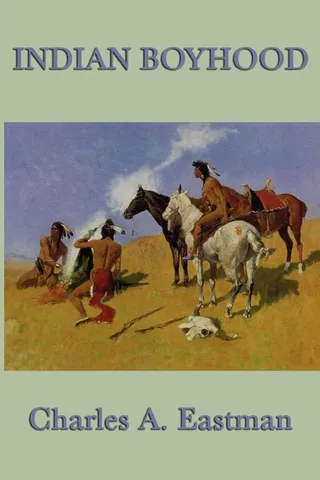
Charles Alexander Eastman (1858-1939), also known as Hakadah and later as Ohiyesa, was a prominent Native American author, physician, and activist. He was born in a Dakota Sioux community near Redwood Falls, Minnesota, to a mixed-race family of Dakota and European descent. Orphaned at an early age during the Dakota War of 1862, Eastman was raised in the traditional Dakota Sioux manner until the age of 15, when he attended formal schooling in the East. Eastman went on to become one of the first Native Americans to graduate from medical school, earning his medical degree from Boston University in 1889. He dedicated much of his life to advocating for Native American rights and education, working as a physician on reservations and serving as a government Indian inspector. Eastman is best known for his writings that aimed to preserve and promote understanding of Native American culture and history. His works include several books such as ""Indian Boyhood"" (1902), ""Old Indian Days"" (1907), and ""The Soul of the Indian"" (1911), which were instrumental in shaping non-Native perceptions of Native American life and spirituality. These books often drew from his personal experiences and upbringing, offering insights into traditional Dakota Sioux customs, spirituality, and values. Charles A. Eastman's legacy extends beyond his literary contributions; he played a significant role in bridging cultural divides and promoting dialogue between Native and non-Native communities. His writings continue to be studied for their historical significance and their role in preserving Native American heritage.
More by Charles A Eastman





Why Readwise Books?
Readwise Books is an ebook & audiobook platform that automatically logs how much you and your friends read, making it fun and easy to read more. Learn more →