Report an issue
Tell us what's wrong and we'll take a look.
Thanks – we got it. We'll review and follow up if needed.
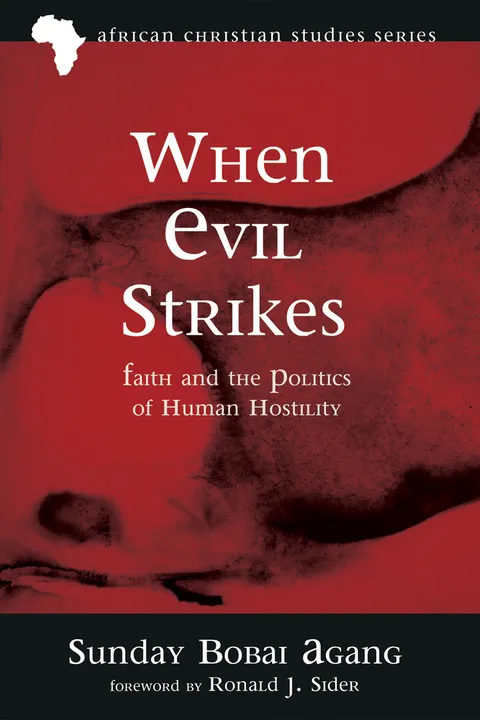
Human hostility is not the narrative of a selected few. Since the fall of the grandparents of the human family, Adam and Eve, all humans have continued to participate in the reality of evil. Accordingly, the question is no longer whether evil will strike, but rather, when evil strikes, how should humans, particularly Christians, respond to it? This book offers a relevant and effective theology and ethics for addressing the issue of Christian response to violence in Nigeria and beyond. It situates the whole gamut of the reign of human hostility in its various manifestations: self-interest and greed for power, deception and social injustices, governmental official corruption, terrorism and so on. It encourages humans to take seriously both the fact of God creating humans good and the fall serving as the gateway of evil into the human race. It recognizes the complexity of human problems. Yet it offers possibility for just peacemaking. In spite of the horrific violence across the globe, humans are still able to do tremendous good. Thus the book recognizes the paradox of humanity: humans are capable of doing tremendous good and equally capable of doing tremendous evil.
Sunday Bobai Agang
Sunday Bobai Agang is both a Langham and a ScholarLeaders scholar. He lives and works in Nigeria. Agang is Associate Professor of Christian Ethics, Theology and Public Policy at ECWA Theological Seminary Kagoro (ETSK), Nigeria. He has published several articles on various theological issues. He is author of The Impact of Ethnic, Political, and Religious Violence on Northern Nigeria, and a Theological Reflection on Its Healing (2011).
More by Sunday Bobai Agang


Why Readwise Books?
Readwise Books is an ebook & audiobook platform that automatically logs how much you and your friends read, making it fun and easy to read more. Learn more →