Second-worst EM
Length: • 6 mins
Annotated by Guillaume Servos


Welcome to India Edition, Bloomberg’s daily dive into what’s moving the worlds of business, markets and politics in this dynamic, fast-paced economy. I’m Menaka Doshi. If you didn’t receive this directly in your inbox, you can subscribe here, and share feedback with us here.
Today, I look at the doom and gloom in India’s equity markets, my colleague Satviki Sanjayexamines theproblem of fake weight-loss drugs in India and Bloomberg takes over Mumbai’s iconic bridge for a dazzling moment.
Nothing Lasts Forever
I have good news and bad news.
The good news is another sign of business resilience in India, after the second quarter’s strong economic growth and relatively robust corporate earnings.
Ratings agency Crisil’s credit ratio, which measures the proportion of rating upgrades to downgrades, improved to 2.18 times in the first half of this fiscal from 1.50 times in the second half of last fiscal. Its assessment of 34 sectors exposed to the Middle East conflict shows only three sectors, accounting for less than 1% of rated corporate debt, carry a negative or moderately negative credit-quality outlook this fiscal.
In short, the broad fundamentals underpinning the economy seem to be holding up despite seven months of war, energy volatility and a weak monsoon.
The bad news is that doesn’t seem to be enough to revive Indian markets.
India ranks as the second-worst-performing emerging market this year. The rupee suffers somewhat similar ignominy. Much of this can be put down to high crude prices and rising global yields, which are making it harder to draw foreign capital, though domestic investor support has held up so far.
Global funds have sold $2.1 billion of local equities so far this month, following two straight months of purchases, taking the year-to-date outflow to over $26 billion. They remain net buyers of Indian IPOs, though, as the market heads for another record year, my colleague Rajesh Mascarenhas tells me.
Indian government bonds, meanwhile, are set for their first monthly foreign fund outflow since March.
Bloomberg’s market reporters and analysts are pointing to further signs of gloom.
The benchmark Nifty 50 Index has fallen for seven straight weeks, wiping out nearly $250 billion in market value, and broken below its 200-day moving average on a weekly basis for the first time in six years, write Ashutosh Joshi and Alex Gabriel Simon. The 30-stock BSE Sensex breached the same support level last week.
Nitin Chanduka of Bloomberg Intelligence has an interesting note out today on the depth of the equity selloff:
- MSCI India has lagged the emerging-market index by 48% in two years.
- The Nifty 50 has been below its 200-day moving average for more than 140 days, its longest such slump in nearly a decade.
- The median NSE 500 stock is down 28%, while 40% of constituents have delivered sub-10% annualized returns over the past five years, highlighting increasingly weak market breadth.
- Valuations have eased but remain high, with about 30% of NSE 500 stocks still trading above 50 times earnings and several sectors retaining elevated multiples.
There may be some relief ahead. Crude flows from West Asia are reportedly returning to pre-war levels. Shipments of crude oil have rebounded to 17.5 million barrels a day, or 98% of pre-war levels, according to JPMorgan.
If sustained, that could ease oil prices and reduce the pressure for interest-rate tightening in India.
Hang in there. Nothing lasts forever. Hopefully.
Best of Bloomberg
Noel Tata said a public listing could limit Tata Sons” ability to support troubled units as individual shareholders may not agree to invest in such firms.
India’s opposition parties are stepping up pressure to remove the country’s top election official over a controversial revision of electoral rolls.
Coca-Cola is considering filing a draft prospectus in December for an IPO of its Indian bottling unit.
Temasek-owned Mapletree is evaluating a plan to list part of its India office portfolio through a real estate investment trust.
Don’t Miss

India Has the Solar. Can It Power the AI Boom?

Apple Starts India Payments Service to Take On Google, Paytm

Abu Dhabi’s Crown Prince Is Spending Billions to Bypass Iran’s Grip on Hormuz
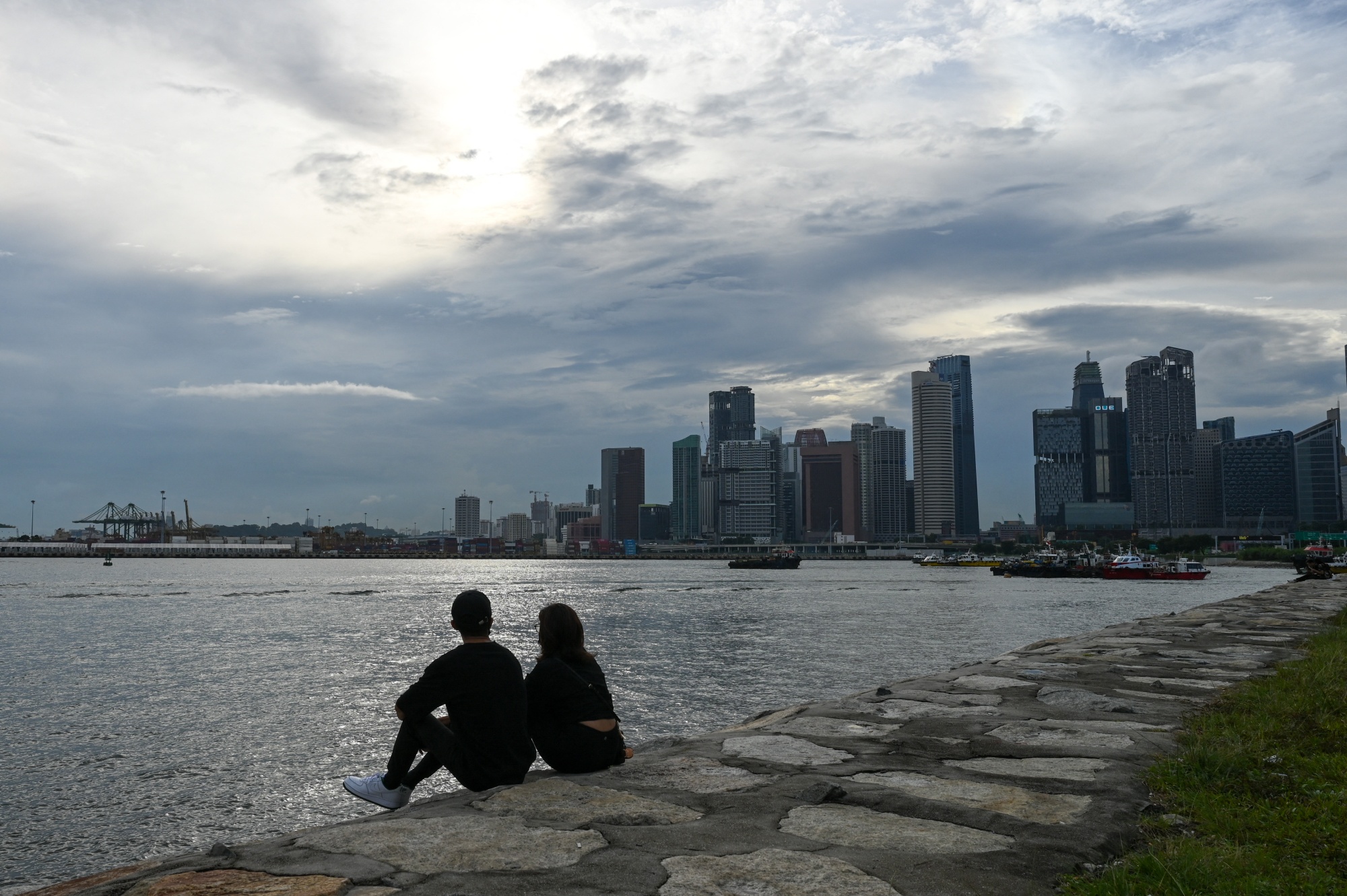
Singapore Plays Matchmaker to Public Officers Looking for Love
Want more? Sign up for Markets Daily India, a subscriber-only newsletter featuring key insights before the trading day starts. Keep track of the twists and turns — and the global fallout — of the war with Iran here.
Bogus Weight-Loss Drugs
Hello, I’m Satviki, Bloomberg’s Consumer Businesses and Health Care Reporter in Mumbai.
The world’s third-most obese country has shaped up to be a perplexing market for weight-loss drugs. While generics have so far failed to impress the country’s many potential users, counterfeiters looking to make a quick buck have been infiltrating the market.
The scale of counterfeits is hard to quantify because of the lack of official data, but an incident that Bloomberg News reported this week reveals how organized the trade has become, with fake obesity drugs moving through a surprisingly sophisticated supply chain.
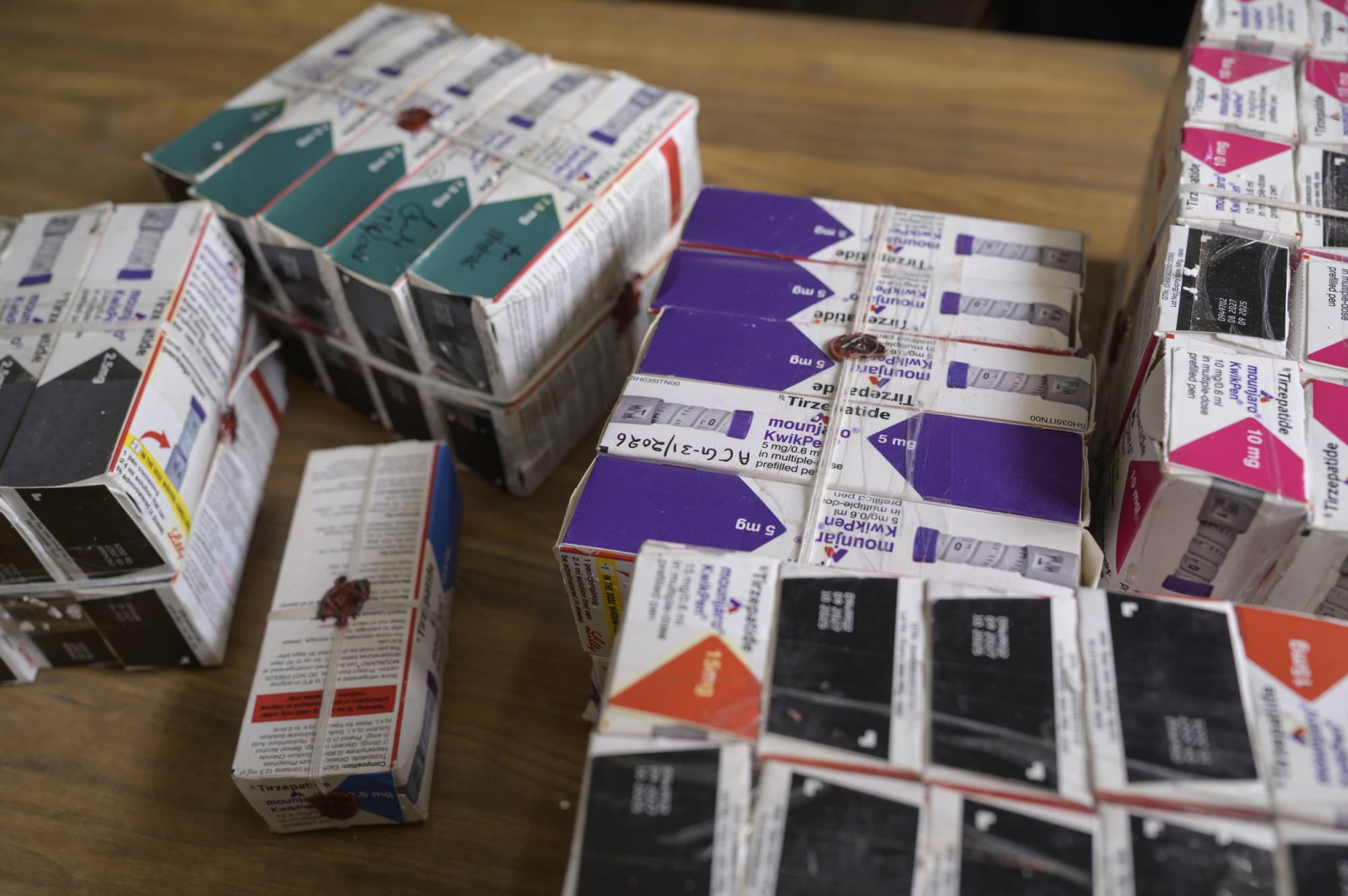
An Ayurvedic wellness company owner allegedly manufactured fakes of Mounjaro as well as other unapproved weight-loss drugs from a rented two-bedroom apartment in Gurugram and sold the products to unsuspecting customers via Indiamart. The Food and Drug Administration in Haryana seized drugs worth 70 million rupees, and after months of investigation that included tracking down customers and testing drugs, filed a 700-page chargesheet in August. The case is ongoing, with the accused still in jail.
Investigators say the problem is growing as more people buy these drugs online, often drawn by cheaper offers without knowing exactly what they are getting.
Regulators are already stretched by a rising number of drug-safety cases. Tracking fake medicines, tracing where they came from and taking action against sellers can be slow and difficult.
Price is a big part of the problem. Mounjaro, currently the most effective weight-loss drug available in India, starts at about 13,000 rupees a month ($135.63), putting it beyond the reach of many Indians. Besides the cost of the drug, patients may also have to pay for doctor visits, tests and supplements.
That forces many of them to look for discounts, making them easy targets for sellers offering suspiciously low prices. On platforms such as Indiamart and TradeIndia, as well as WhatsApp and Telegram, grey-market sellers can sometimes slip through.
The safest option is to avoid bargain hunting for Mounjaro altogether. Saloni Paliwal, who runs weight-loss management platform Voy India, advises patients to buy only through legitimate channels and, where appropriate, consider lower-cost generic alternatives from established drugmakers.
And regulators are doing their bit. Amandeep Chauhan, an investigator with the Haryana FDA who has worked on this case, wants platforms such as Indiamart to carry out stricter checks before allowing sellers on their sites. He is also pushing for tougher penalties against those caught selling dubious medicines.

Emerging
Can Singapore Still Be a Model For Growth?

Chai Time: Bloomberg Bridge

Bloomberg New Economy Forum - New Delhi: This October, the Bloomberg New Economy Forum convenes its global community of business and public-sector leaders under the guiding theme, “A World in Play: Defining the New Levers of Power.”
This year’s Forum, held Oct. 13-15 in New Delhi, will examine the shifting geopolitical landscape and explore the risks and opportunities reshaping the global economy.
Visit BloombergNewEconomy.com/India to learn more.
As always, thanks for reading India Edition. —Menaka
Enjoying India Edition with Menaka Doshi? You might also like:
- AI Today for a chronicle of the disruptions and threats of AI on businesses, workers, governments and economies with analysis from Bloomberg’s global newsroom
- Next Japan for an inside view of the forces reshaping the economy’s businesses, markets and consumers
- Markets Daily India for key news and movers before the trading day starts
- Green Daily for the latest in climate science, clean energy, green finance, environmental politics, EVs, zero-emissions tech and sustainable living
- Singapore Edition for insights into one of Asia’s most dynamic economies
- Next China for dispatches from within the world’s second-largest economy on where China stands now — and where it’s going next
- Explore all newsletters at Bloomberg.com
Follow Bloomberg India on WhatsApp for exclusive content and analysis on what billionaires, businesses and markets are doing — sign up here. You can also bookmark this page for more of Bloomberg’s India coverage.
We’re improving your newsletter experience and we’d love your feedback. If something looks off, help us fine-tune your experience by reporting it here.
Follow Us
You received this message because you are subscribed to Bloomberg’s India Edition newsletter. If a friend forwarded you this message, sign up here to get it in your inbox.
Unsubscribe
Bloomberg.com
Contact Us
Bloomberg L.P.
731 Lexington Avenue
New York, NY 10022

|
