The rise of the AI-native employeeAI 原生型员工的崛起
Length: • 6 mins
Annotated by karik
I’ve been at Lovable for five weeks and yeah... I’m not in Kansas anymore. This company operates on a completely different level - and as someone who’s spent my entire career in traditional tech, I’m seeing a very different pattern here that’s worth sharing.
我在 Lovable 待了五周,没错......我感觉自己已经不在旧世界了。这家公司的运作水平完全不同——作为一个职业生涯都在传统科技行业度过的人,我在这里看到了一种非常不同的模式,值得分享。

Lovable is blowing past crazy revenue milestones: $1M ARR in just 8 days post-launch, $17M in 3 months, $60M in 6 months, and $80M ARR in just 7 months. With ~35 people. That’s not a typo. That’s the new normal - if you’re AI-native. And I don’t just mean the product is AI-native. I mean the people are.
Lovable 正在飞速跨越疯狂的营收里程碑:发布后仅 8 天 ARR(年度经常性收入)就达到 100 万美元,3 个月达到 1700 万美元,6 个月达到 6000 万美元,而仅仅 7 个月 ARR 就达到了 8000 万美元。团队只有约 35 人。这不是笔误。如果你是“AI 原生”(AI-native)的,这就是新常态。我指的不只是产品是 AI 原生的,更是指人。
What even is an AI-native employee?
究竟什么是 AI 原生员工?
Before Lovable, when someone said “AI-native,” I assumed they meant the product. Built with AI at it’s core. Agent workflows. GPT something-something. But after getting in the trenches here, I’ve realized: the product being AI-powered is only half the story. The real shift is how people work.
在加入 Lovable 之前,当有人提到“AI 原生”时,我以为他们指的是产品。以 AI 为核心构建、智能体工作流、GPT 各种应用等等。但在深入一线工作后,我意识到:产品由 AI 驱动只是故事的一半。真正的转变在于人们的工作方式。
An AI-native employee isn’t someone who “uses AI.” It’s someone who defaults to AI.
AI 原生型员工并不是指那些“使用 AI”的人,而是指那些“默认使用 AI”的人。
Typical tech company: a case study in bottlenecks
典型的科技公司:瓶颈案例研究
Let’s rewind to the traditional tech org.
让我们回过头来看看传统的科技组织。
You have an idea. Great. Now you need either money or people to solve it. It goes something like this:
你有一个想法。很好。现在你需要资金或人手来解决它。过程通常是这样的:
Step 1: Craft a beautiful doc... that nobody will read.
第一步:精心撰写一份精美的文档......但根本没人会看。
Step 2: Sit through 26 meetings, syncs, check-ins, standups, and “quick connects”... that accomplish absolutely nothing.
第二步:参加 26 场会议、同步会、进度汇报、站会和“快速沟通”......结果什么也没达成。
Step 3: Submit a request to design... that goes into the bottom of the backlog.
第三步:向设计部门提交需求......然后被塞进待办事项的最底层。
Step 4: Beg for budget to maybe, just maybe hire a contractor who might be available sometime this quarter... just to enter endless conversations with Finance about ROI.
第四步:乞求预算,试图雇佣一名本季度可能有空的承包商......结果却陷入了与财务部门关于投资回报率(ROI)的无休止拉锯战。
Step 5: Ping web dev to squeeze it into this sprint... so they can laugh at you.
第 5 步:联系 Web 开发人员,看能不能塞进本个冲刺(Sprint)......好让他们嘲笑你一番。
Step 6: Wait... while pretending the Gantt chart isn’t six weeks out of date.
第 6 步:等待......同时假装甘特图并没有过期六周。
[Bonus]: Discover - surprise! - there is tech debt. Add 8 months to your delivery.
[额外环节]:惊喜地发现——存在技术债。交付时间再加 8 个月。
Step 7: Finally ship something so scoped-down, so watered-down... that it barely resembles your original vision.
第 7 步:最终交付的东西功能被大幅削减、注水严重......以至于它几乎看不出你最初设想的影子。
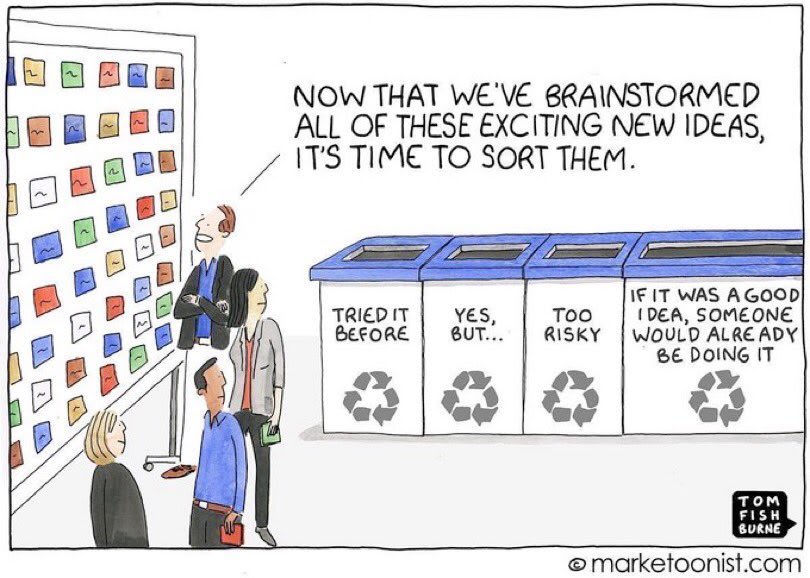
Sound familiar? Yeah. That’s the cost of dependency drag. Specialization is great until it becomes a coordination tax. Enter: ops teams and managers to manage the mess.
听起来很耳熟?没错。这就是依赖拖累带来的代价。专业化分工固然很好,但一旦演变成“协调税”,问题就来了。于是,运营团队和管理者纷纷介入,试图收拾这堆烂摊子。
And just like that, your velocity dies.
就这样,你的执行速度彻底丧失了。
AI-native org: default to done
AI 原生组织:默认即完成
Now let’s talk about how AI-native employees do it (as seen at Lovable)
现在,让我们聊聊 AI 原生员工是如何工作的(正如我们在 Lovable 所见)
Here, when someone wants to build something (anything) - from internal tools, to marketing pages, to writing production code - they turn to AI and... build it. That’s it.
在这里,当有人想要构建任何东西时——从内部工具、营销页面到编写生产代码——他们都会求助于 AI,然后......直接把它做出来。就这么简单。
No headcount asks. No project briefs. No handoffs. Just action.
没有人力申请。没有项目简报。没有交接。只有行动。
At Lovable, we’re mostly building with... Lovable. Our Shipped site is built on Lovable. I’m wrapping hackathon sponsorship intake form in Lovable as we speak. Internal tools like credit giveaways and influencer management? Also Lovable (soon to be shared in our community projects so ya’ll can remix them too). On top of that, engineering is using AI extensively to ship code fast (we don’t even really have Product Managers, so our engineers act as them).
在 Lovable,我们大部分时间都在用......Lovable 进行构建。我们的 Shipped 网站是用 Lovable 搭建的。就在我说话的时候,我正在用 Lovable 封装黑客松赞助申请表。像积分赠送和达人管理之类的内部工具?也是用 Lovable 做的(很快就会在我们的社区项目中分享,这样你们也可以进行二次创作)。除此之外,工程团队正在广泛使用 AI 来快速交付代码(我们甚至没有真正的产品经理,所以我们的工程师兼任了这一角色)。
Can everything be done this way? Absolutely not. But even when we do go cross-functional (aka my design and dev teams jump in), things still move at crazy speed - because everyone’s using AI to cut the fluff, skip the handoffs, and just... get things done faster.
所有事情都能这样完成吗?绝对不是。但即使我们需要跨职能协作(比如我的设计和开发团队介入时),进展依然神速——因为每个人都在利用 AI 剔除冗余、跳过交接,并且仅仅是......更快地把事情搞定。
Will it change as we grow? Maybe. But right now, this feels very different from any other startup of similar size I’ve ever encountered.
随着我们的成长,这种情况会改变吗?也许吧。但就目前而言,这种感觉与我所见过的任何其他同等规模的初创公司都截然不同。
Spotting the ai-native in the wild
如何识别现实中的“AI 原生代”
Most (not all) of the AI-native employees I’ve seen are young (at least compared to me, LOL) - fresh out of school, sometimes not even graduated yet. And honestly? That’s their superpower. They haven’t been indoctrinated with our corporate bullshit. They’re not weighed down by legacy processes, approval chains, or the deep-rooted belief that "things just take time." They see a problem and start building.
我所见过的绝大多数(并非全部)AI 原生代员工都很年轻(至少比我年轻,哈哈)——刚走出校门,有的甚至还没毕业。说实话,这正是他们的超能力。他们还没有被我们那些企业界的陈词滥调所洗脑。他们没有被陈旧的流程、审批链,或者那种根深蒂固的“凡事都需要时间”的观念所束缚。他们看到问题,然后就开始动手构建。
So what changes?那么,究竟改变了什么?
1. Ownership is real: You build it? You own it. No “well leadership changed the scope” excuses. It’s your idea, your execution, your result.
1. 责任制是真实的:你构建了它?你就拥有它。没有“领导层更改了范围”之类的借口。这是你的想法,你的执行,你的结果。
2. Autonomy is unlocked: There’s no need to wrangle five other teams. You can just go. And that freedom is addictive.
2. 自主权被释放:无需去协调其他五个团队。你可以直接行动。这种自由是会上瘾的。
3. Trust becomes the backbone: You can’t move this fast without implicit and explicit trust. If you need a weekly check-in to approve button colors, this ain’t your speed.
3. 信任成为支柱:如果没有隐性和显性的信任,你无法移动得这么快。如果你需要每周开会来审批按钮颜色,那么这种速度不适合你。
4. Velocity becomes your moat: When the whole company moves like this, it stops being a team dynamic - it becomes cultural gravity. And customers feel it.
4. 速度成为你的护城河:当整个公司都以这种方式运作时,它就不再仅仅是团队动态——而演变成了文化引力。客户也能感受到这一点。

Proof and point on velocity: in the five weeks since I joined, we’ve shipped a referral program, launched free collaboration, and in just a few days, annual plans and credit rollovers will be live. And that’s only a highlight reel - there are countless improvements and optimizations that happened in between. This is just growth, I’m not even talking about our core team. Again, remember - 35 people total!
关于速度的有力证明:在我加入的五周内,我们已经上线了推荐计划,推出了免费协作功能,而且就在几天后,年度计划和额度结转功能也将上线。这还只是亮点集锦——期间还进行了无数次的改进和优化。这仅仅是增长团队的成果,我甚至还没提到我们的核心团队。再次提醒——全公司总共只有 35 人!
The hidden superpower: cheap failures
隐藏的超能力:低成本失败
When you can move this fast, the cost of failure plummets. That means:
当你能以这种速度行动时,失败的成本就会骤降。这意味着:
- More bold bets.更多大胆的尝试。
- Less analysis paralysis.更少的分析瘫痪。
- And a wild, unfair advantage in learning loops.
以及在学习循环中拥有狂野且不公平的优势。
“Move fast and break things” is back - but this time with 10x output and 1/10 the mess.
“快速行动,打破常规”又回来了——但这一次拥有 10 倍的产出,且麻烦减少了 9/10。
But what about the jobs?
但就业问题怎么办?
Cue the naysayers: 唱反调的人开始登场了:
“But the process is good, it helps us stay aligned!”
“但流程是件好事,它能帮我们保持步调一致!”
Sure - if by “aligned” you mean equally stuck. Attaching yourself to process is just trying to validate your own existence and hard earned experience. Don’t do it (but I appreciate it’s painful). Adapt to the new norm. Let velocity lead, and introduce process only when (and if) it’s actually needed.
当然——如果你所谓的“步调一致”是指大家一起停滞不前的话。执着于流程不过是在试图证明你自身存在价值和你那辛苦积累的经验。别这么做(虽然我明白这很痛苦)。去适应新的常态。让速度引领一切,只有在确实需要时(如果真的需要的话)再引入流程。
“Won’t this kill jobs?!”“这难道不会导致失业吗?!”
Most jobs are just fine. Ya’ll just need to maintain your vertical expertise and learn to work with AI. But me be crystal clear, I think some jobs will disappear:
大多数工作都没问题。你们只需要保持自己的垂直领域专业知识,并学会与 AI 协作。但让我明确一点,我认为有些工作将会消失:
- Operations roles that only exist to herd cross-functional chaos? Gone.
那些仅仅为了梳理跨职能混乱而存在的运营角色?消失。 - Managers with no vertical skill, acting as coordination layers? Extinct. And thank goodness.
那些没有垂直技能、仅充当协调层的管理者?灭绝。谢天谢地。
We’re not replacing people. We’re replacing bloat. The rise of AI-native employee means the fall of organizational calories that don’t create value.
我们不是在取代人,而是在取代冗余。AI 原生员工的崛起,意味着那些不创造价值的组织内耗将走向终结。
AI-native employees can’t survive in legacy systems
AI 原生型员工无法在传统体制中生存
AI transformation inside existing tech companies is going to be brutal. You can’t just spin up a centralized “AI task force” and expect the rest of the org to suddenly think and operate differently. It doesn’t work.
现有科技公司内部的 AI 转型将是残酷的。你不能只组建一个中心化的“AI 专项小组”,就指望组织的其他部分突然改变思维和运作方式。这行不通。
This mindset shift isn’t something you can document or mandate - it has to be seen and experienced. I know, because I had to see it myself.
这种心态的转变不是通过文档记录或行政命令就能实现的——它必须被亲眼见证并亲身经历。我深知这一点,因为我曾亲历其中。
And even if a few brave AI-native employees emerge, the existing bureaucracy will smother them with a thousand tiny cuts: “Did you get that approved?” “Who signed off on this?” “Let’s run it through the process.”
即便出现了几位勇敢的 AI 原生型员工,现有的官僚体系也会用千刀万剐将他们扼杀:“这获得批准了吗?”“谁签字同意的?”“让我们按流程走一遍吧。”
Congrats, you just killed the spark before it had a chance to catch fire.
恭喜你,在火苗还没来得及燃烧之前,你就亲手掐灭了灵感的火花。
The future, in one hot take
关于未来的一个犀利观点
Here’s my bet:这是我的赌注:
→ Company sizes will shrink.
→ 公司规模将会缩小。
→ Org charts will flatten.
→ 组织架构将趋于扁平化。
→ The middle management layers without vertical expertise will vaporize.
→ 缺乏垂直专业能力的中间管理层将会消失。
→ The AI-native employee will become the new 10x team.
→ AI 原生型员工将成为新的“十倍效能”团队。
Welcome to the future #AINativeEmployeeEra
欢迎来到未来 #AI 原生型员工时代