Lew Wallace
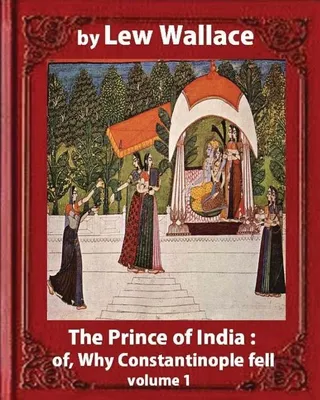
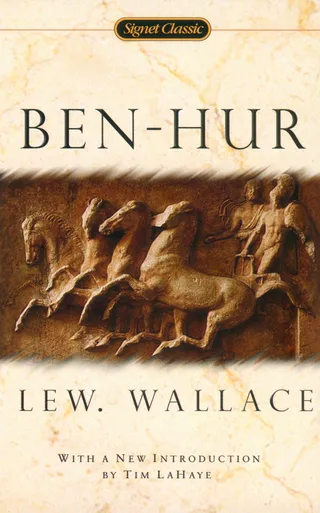
Lew Wallace, born in 1827, was an American author and prominent figure known for his significant contributions to literature and public service. His most renowned work, Ben-Hur: A Tale of the Christ, is celebrated for its epic storytelling and rich portrayal of biblical times, cementing Wallace's reputation as a master of historical fiction. Wallace's diverse career also included roles as a lawyer, politician, and Union general during the American Civil War, where he earned acclaim for his service and leadership. Wallace's literary works often reflect his deep engagement with historical events and his fascination with themes of heroism, faith, and moral struggle. His historical novels, including The Prince of India: Or Why Constantinople Fell, demonstrate his ability to blend historical accuracy with imaginative storytelling. Wallace's writing is characterized by its vivid depictions of historical settings, complex characters, and dramatic narratives, providing readers with immersive experiences of past civilizations. Beyond his literary achievements, Wallace's impact extended into his roles as a diplomat and public servant. His legacy is marked by his contributions to both literature and American history, showcasing a life dedicated to both creative and public endeavors.