Anatole France
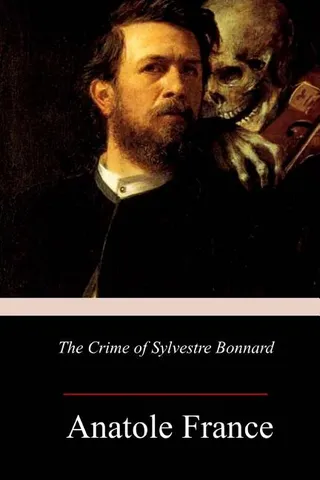
Anatole France (1844-1924) was a French novelist, critic, and essayist awarded the Nobel Prize in Literature in 1921. His works include The Crime of Sylvestre Bonnard, Thaïs, Penguin Island, and The Revolt of the Angels.The conditions of the writer's period are important to an understanding of the work. Questions about the individual and society, including the roles of education, work, belief, and public institutions, repeatedly enter the literature and intellectual debates of the era. The historical setting should not be confused with a modern retelling: the language and assumptions of these works belong to their original moment.Born Jacques Anatole Thibault, Anatole France became associated with French literary criticism, elegant prose, and skepticism toward institutions claiming certainty. He worked in publishing and libraries before achieving wider recognition as a novelist. The Crime of Sylvestre Bonnard helped establish his reputation, while Thaïs and other works explored religious conviction, desire, and doubt. France engaged with public controversies, including the Dreyfus Affair, and his political commitments developed over time. Penguin Island converts the history of a fictional penguin nation into satire of religion, nationalism, property, war, and the writing of history itself. Its apparent whimsy is closely connected to criticism of real political habits and intellectual vanity. France's Nobel Prize in Literature in 1921 recognized an internationally established career. His fiction is distinguished by ironic narration and the ability to shift between fantasy, philosophical argument, and historical allusion without abandoning a disciplined prose style.In Penguin Island, the writer turns to satirical fantasy to develop a particular subject. The invented society parodies French history and the pretensions of modern institutions. Its achievement is best understood in connection with the author's established body of writing and the literary conventions through which the subject is presented.Readers approaching this work today can appreciate its historical frame alongside its literary ambitions. Its treatment of character, perspective, society, or argument offers insight into the concerns that shaped its original audience. Where names, dates, or the original author's identity are uncertain, those details should be resolved through the edition and bibliographical record rather than supplied by conjecture.

























Anatole France
Created by







Anatole France
Foreword by

Anatole France
Contributions by
Anatole France
Edited by

Anatole France
Other