Report an issue
Tell us what's wrong and we'll take a look.
Thanks – we got it. We'll review and follow up if needed.
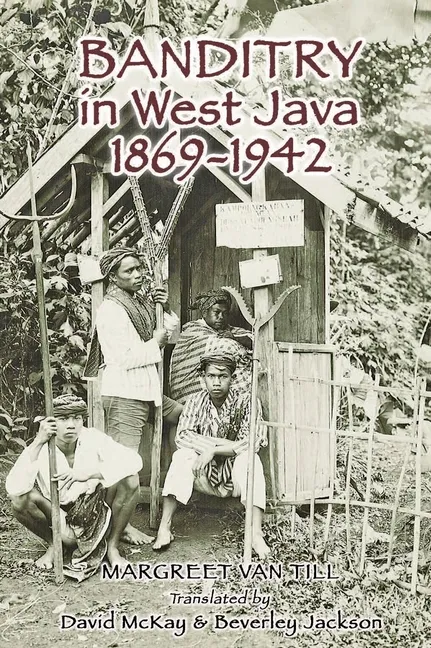
The colonial police force in the Dutch East Indies was reformed in the early 1920s, and banditry was subsequently brought under control. However, the bandit tradition lived on in Javanese popular imagination and folk culture, not least in tales of Si Pitung, a Robin Hood figure who flourished in nineteenth-century Batavia.
The author argues that banditry in Batavia was closely linked with the modernization process, particularly the ready availability of firearms and the rise of a money economy. However, her findings do little to support suggestions that banditry should be seen as part of the revolutionary struggle for independence in Indonesia.
Banditry in West Java is a translation of 'Batavia bij Nacht: Bloei en ondergang van het Indonesisch roverswezen in Batavia en de Ommelanden, 1869-1942. (Amsterdam: Uitgeverij Aksant, 2006).
David McKay
Translated by
Certified Dutch-English translator, Dutch Ministry of Foreign Affairs.


Why Readwise Books?
Readwise Books is an ebook & audiobook platform that automatically logs how much you and your friends read, making it fun and easy to read more. Learn more →