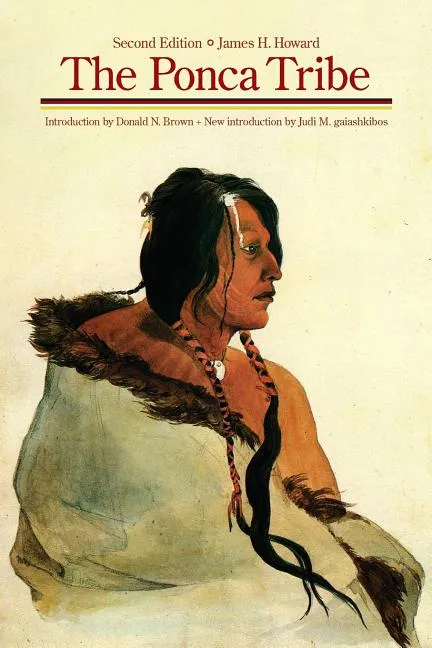
The Ponca Tribe
Report an issue
Tell us what's wrong and we'll take a look.
Thanks – we got it. We'll review and follow up if needed.
The culture of the Ponca Indians is less well known than their misfortunes. A model of research and clarity, The Ponca Tribe is still the most complete account of these Indians who inhabited the upper central plains. Peaceably inclined and never numerous, they built earth-lodge villages, cultivated gardens, and hunted buffalo. James H. Howard considers their historic situation in present-day South Dakota and Nebraska, their trade with Europeans and relations with the U.S. government, and, finally, their loss of land along the Niobrara River and forced removal to Indian Territory.
The tragic events surrounding the 1877 removal, culminating in the arrest and trial of Chief Standing Bear, are only part of the Ponca story. Howard, a respected ethnologist, traces the tribe's origins and early history. Aided by Ponca informants, he presents their way of life in his descriptions of Ponca lodgings, arts and crafts, clothing and ornaments, food, tools and weapons, dogs and horses, kinship system, governance, sexual practices, and religious ceremonies and dances. He tells what is known about a proud (and ultimately divided) tribe that was led down a "trail of tears."
The Ponca Tribe was originally published in 1965 as a bulletin of the Smithsonian Institution's Bureau of American Ethnology.
James H Howard
James H. Howard, who received the Ph.D. degree in anthropology from the University of Michigan, was Professor of Anthropology at Oklahoma State University until his untimely death while this book was in progress. American Indian studies had long been Howard's special field on interest, and he wrote several books and many articles for anthropological journals on related subjects.
More by James H Howard


Why Readwise Books?
Readwise Books is an ebook & audiobook platform that automatically logs how much you and your friends read, making it fun and easy to read more. Learn more →