Report an issue
Tell us what's wrong and we'll take a look.
Thanks – we got it. We'll review and follow up if needed.
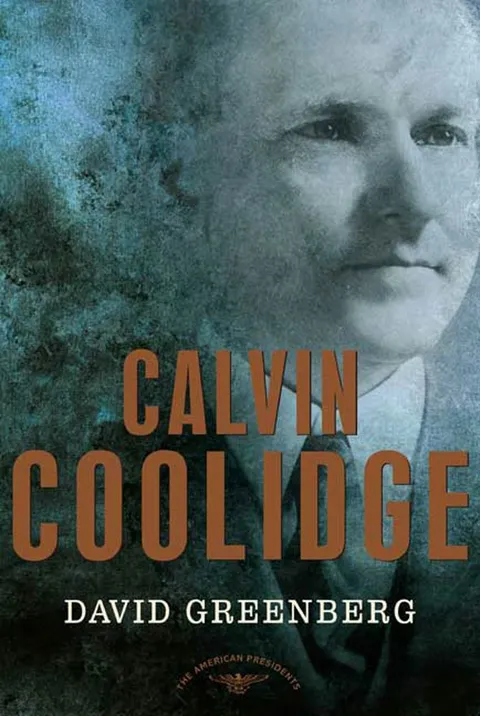
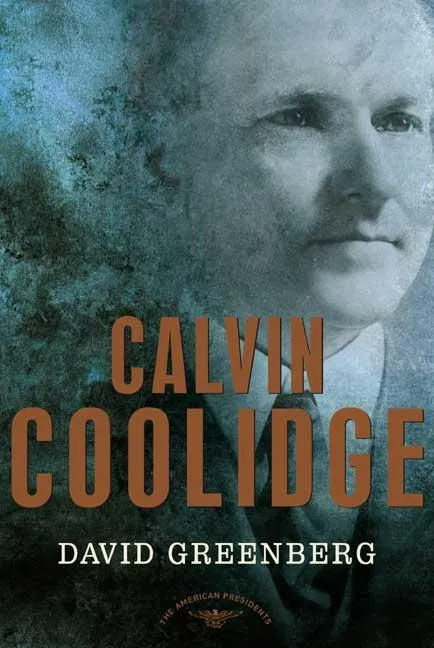
The austere president who presided over the Roaring Twenties and whose conservatism masked an innovative approach to national leadership.
He was known as "Silent Cal." Buttoned up and tight-lipped, Calvin Coolidge seemed out of place as the leader of a nation plunging headlong into the modern era. His six years in office were a time of flappers, speakeasies, and a stock market boom, but his focus was on cutting taxes, balancing the federal budget, and promoting corporate productivity. "The chief business of the American people is business," he famously said.
But there is more to Coolidge than the stern capitalist scold. He was the progenitor of a conservatism that would flourish later in the century and a true innovator in the use of public relations and media. Coolidge worked with the top PR men of his day and seized on the rising technologies of newsreels and radio to bring the presidency into the lives of ordinary Americans--a path that led directly to FDR's "fireside chats" and the expert use of television by Kennedy and Reagan. At a time of great upheaval, Coolidge embodied the ambivalence that many of his countrymen felt. America kept "cool with Coolidge," and he returned the favor.
David Greenberg
David Greenberg is a historian of American politics and a professor of history and of journalism and media studies at Rutgers University. He is the author of the prize-winning Nixon’s Shadow: The History of an Image, among other books. Currently a columnist for Politico, he has been an editor at Slate and the New Republic and has written for the New York Times, the Washington Post, The Atlantic, and other popular and scholarly publications. He lives with his family in New York City.
More by David Greenberg


Why Readwise Books?
Readwise Books is an ebook & audiobook platform that automatically logs how much you and your friends read, making it fun and easy to read more. Learn more →