Report an issue
Tell us what's wrong and we'll take a look.
Thanks – we got it. We'll review and follow up if needed.
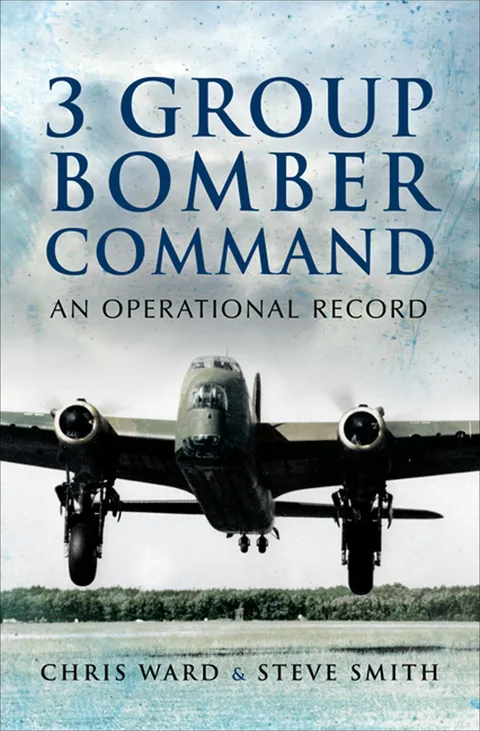
During the immediate period before World War Two, the RAF modified its command structure to rationalize for rapid expansion. Bomber Command was divided into six operational groups, each flying the same type of aircraft.3 Group had almost completely re-equipped with the Wellington by 4 September 1939 to carry out the second bombing operation of the war which was against German warships off Brunsbttel. In 1940 the first of the new four-engined bombers, the Short Stirling, came into service with the Group, being followed in 1942 by the Avro Lancaster. On 3rd/4th November 1943, No. 3 Group played a leading part in the first bombing attack in which heavy bombers made use of the radar bombing aid known as G-H. The target was Dsseldorf; bombs were dropped "blind" and good results were obtained. In July and August 1944, aircraft of this Group equipped with G-H maintained an all-weather attack against flying-bomb sites. Through the D-Day build-up, the liberation of France and conquest of Germany, formations of No. 3 Group attacked railway junctions, marshalling yards, troop concentrations, etc.During the week ending 25th March 1945, Bomber Command made numerous attacks to prepare for the crossing of the Rhine.




















Why Readwise Books?
Readwise Books is an ebook & audiobook platform that automatically logs how much you and your friends read, making it fun and easy to read more. Learn more →