Starvecrow Farm
Report an issue
Tell us what's wrong and we'll take a look.
Thanks – we got it. We'll review and follow up if needed.
A head appeared at either window of the postchaise. Henrietta looked forward. Her lover looked back. The postchaise had nearly cleared the sands. Behind it the low line of Lancashire coast was fading from sight. Before it the long green hill of Cartmel had risen so high and drawn so near as to hide the Furness fells. On the left, seaward, a waste of sullen shallows and quaking sands still stretched to infinity--a thing to shudder at. But the savage head of Warton Crag, that for a full hour had guarded the travellers' right, had given place to the gentler outlines of Armside Knot. The dreaded Lancashire Channels had been passed in safety, and the mounted guide, whose task it was to lead wayfarers over these syrtes, and who enjoyed as guerdon the life-rent of a snug farm under Cark, no longer eyed the west with anxiety, but plashed in stolid silence towards his evening meal.
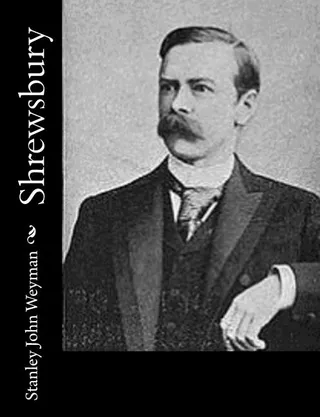
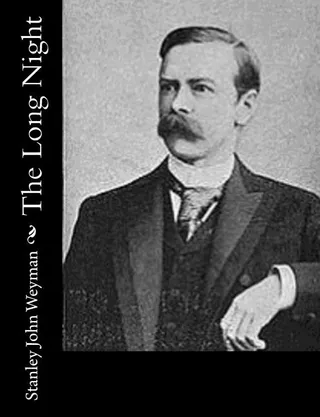
Stanley John Weyman
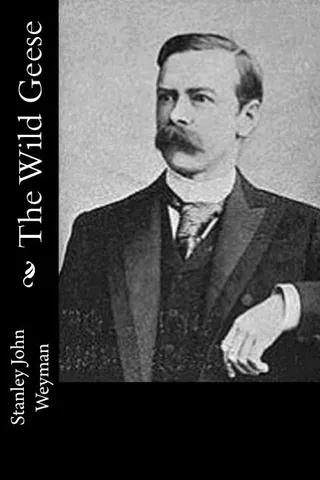
Stanley John Weyman 7 August 1855 - 10 April 1928) was an English historical romance writer. His most successful novels, written between 1890 and 1895, were set in late 16th and early 17th-century France. They were quite successful at the time, but are now largely forgotten. Stanley John Weyman was born on August 7, 1855, in Ludlow, Shropshire, as the second son of an attorney. He attended Shrewsbury School and Christ Church, Oxford, and graduated in 1877 with a degree in Modern History. Following a year of teaching at the King's School in Chester, he returned to Ludlow in December 1879 to live with his widowed mother. Weyman was called to the law in 1881 but struggled as a barrister due to his shyness, nervousness, and soft-spokenness. However, the lack of briefs provided him time to write. His short story "King Pippin and Sweet Clive" was published in the Cornhill Magazine, but its editor, James Payn, a novelist himself, advised Weyman that it would be simpler to make a career by writing novels. Weyman saw himself as a historian, so he was particularly pleased by excellent feedback on an article he wrote about Oliver Cromwell that appeared in the English Historical Review.
More by Stanley John Weyman


Why Readwise Books?
Readwise Books is an ebook & audiobook platform that automatically logs how much you and your friends read, making it fun and easy to read more. Learn more →