Report an issue
Tell us what's wrong and we'll take a look.
Thanks – we got it. We'll review and follow up if needed.
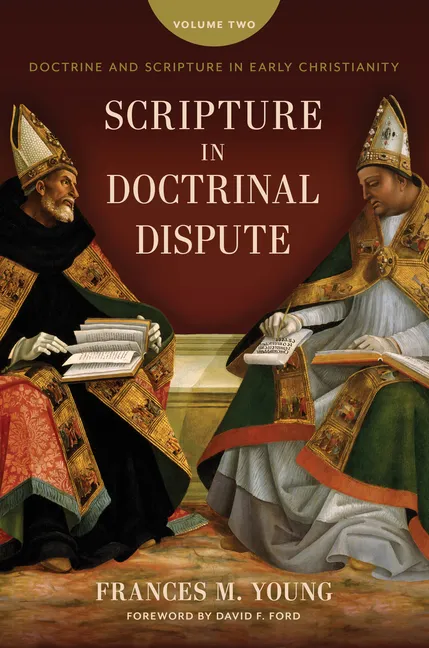
How did Scripture function in early arguments about doctrine?
Historical criticism has revealed a gap between scripture and the mainstream doctrines that define Christianity today. Not the least of these are the Trinity and two natures of Christ--widely accepted since the fifth century, but seemingly unfounded in historical readings of Scripture. How did these dogmas become so integral to the faith in the first place?
Frances M. Young tackles this monumental question in a culmination of decades of biblical and patristic research. The second of two volumes, Scripture in Doctrinal Dispute illuminates the role of biblical hermeneutics in the debates that forged Christian dogma on the nature of God. Young shows how the theological commitments to God as the sole creator of all else from nothing shaped fourth- and fifth-century disputes over Christology and the Trinity. Played out in the great councils of the fourth century and beyond, these conflicts drove the need to discern doctrinal coherence in scripture. The different sides relied on different prooftexts, and the rule of faith served as the criterion by which scriptural interpretation was measured--thereby forming the basis of the creeds.
Nuanced and ecumenical, Scripture in Doctrinal Dispute completes Young's magnum opus, closing the gap between scripture and Christian tradition. Young's magisterial study holds widespread implications for not only patristics but also exegesis and systematic theology.
Frances M Young
Frances M. Young was Edward Cadbury Professor of Theology in the University of Birmingham, UK. She began teaching in 1971 and is the author of many books and articles. She is known particularly for Biblical Exegesis and the Formation of Christian Culture (1997), as well as Face to Face (1990), an account of life with her profoundly disabled son, Arthur. In retirement she continues to write and to lead worship as a Methodist minister.
More by Frances M Young


Why Readwise Books?
Readwise Books is an ebook & audiobook platform that automatically logs how much you and your friends read, making it fun and easy to read more. Learn more →