Report an issue
Tell us what's wrong and we'll take a look.
Thanks – we got it. We'll review and follow up if needed.
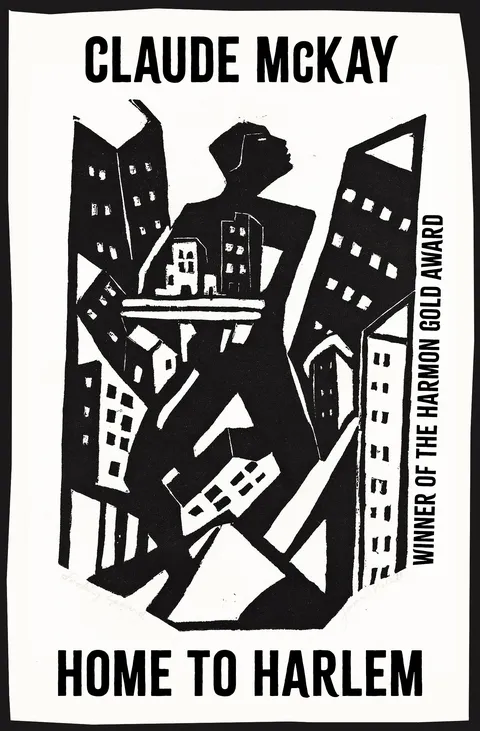
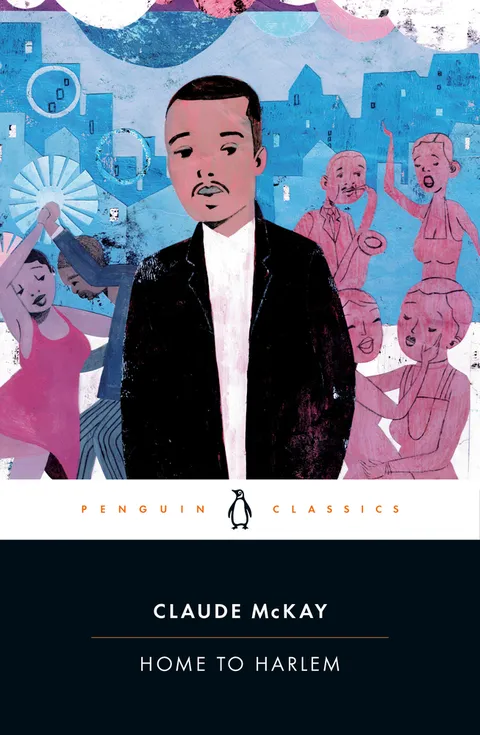
Jake Brown deserts the First World War and returns to Harlem, hungry for music, work, companionship, and freedom. His vivid journey through cabarets, kitchens, railroads, and relationships meets Ray, a Haitian intellectual whose restless thought complicates Jake's instinctive pursuit of life.
Published in 1928, the novel became a bestseller and a flashpoint in debates about Black representation. McKay portrays working-class nightlife, labor, migration, sexuality, color prejudice, and diasporic difference with energy and candor. The friendship between Jake and Ray gives the episodic narrative its intellectual counterpoint.
The work endures because its central conflict is inseparable from the way it is told. Its language, structure, and shifts of perspective ask readers to examine appearances rather than accept easy judgments. Personal choices unfold within larger systems-family, class, politics, belief, custom, or history-and private desire repeatedly meets forces that cannot simply be wished away.
For modern readers, the book offers both the immediacy of its story and the productive distance of a classic. Its assumptions belong to its period and should be approached critically, yet its questions about power, identity, responsibility, freedom, and consequence remain alive. A faithful edition preserves that complexity: the work should be encountered neither as a museum piece nor as a simplified moral lesson, but as an argument, drama, or imaginative world whose tensions still invite debate.
The book's exuberance is inseparable from precarity. Its characters build pleasure and community inside a racist economy, and its period language and sexual politics require contextual reading without erasing the vitality of McKay's achievement.
Claude McKay
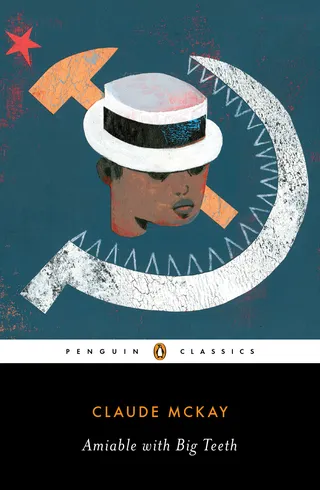
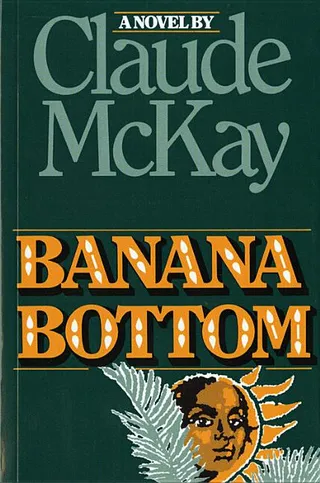
Claude McKay (1889-1948) was a Jamaican-born poet and novelist central to the Harlem Renaissance. His works include Home to Harlem, Banjo, Banana Bottom, and the poem If We Must Die.The conditions of the writer's period are important to an understanding of the work. Questions about the individual and society, including the roles of education, work, belief, and public institutions, repeatedly enter the literature and intellectual debates of the era. The historical setting should not be confused with a modern retelling: the language and assumptions of these works belong to their original moment.McKay was born in Jamaica and first became known for poetry written both in Jamaican dialect and standard English. After traveling to the United States, he became involved in the literary and political currents later associated with the Harlem Renaissance. His poem If We Must Die, published in 1919, expressed defiance against racist violence and became one of his best-known works. McKay spent significant periods abroad, including in Europe and North Africa, and his international experience shaped his portraits of migration and Black life beyond national borders. Home to Harlem, published in 1928, was followed by Banjo in 1929. The latter centers on a community of itinerant Black characters around Marseille's waterfront, emphasizing music, friendship, labor, and mobility. The novel broadens the geographical reach of Harlem Renaissance fiction. McKay later wrote Banana Bottom, another novel attentive to culture and belonging, as well as autobiographical accounts and essays that record his changing political commitments.In Banjo, the writer turns to harlem renaissance literary fiction to develop a particular subject. Claude McKay draws on the cosmopolitan Black Atlantic to examine race and belonging outside the United States. Its achievement is best understood in connection with the author's established body of writing and the literary conventions through which the subject is presented.Readers approaching this work today can appreciate its historical frame alongside its literary ambitions. Its treatment of character, perspective, society, or argument offers insight into the concerns that shaped its original audience. Where names, dates, or the original author's identity are uncertain, those details should be resolved through the edition and bibliographical record rather than supplied by conjecture.
More by Claude McKay


Why Readwise Books?
Readwise Books is an ebook & audiobook platform that automatically logs how much you and your friends read, making it fun and easy to read more. Learn more →