Report an issue
Tell us what's wrong and we'll take a look.
Thanks – we got it. We'll review and follow up if needed.

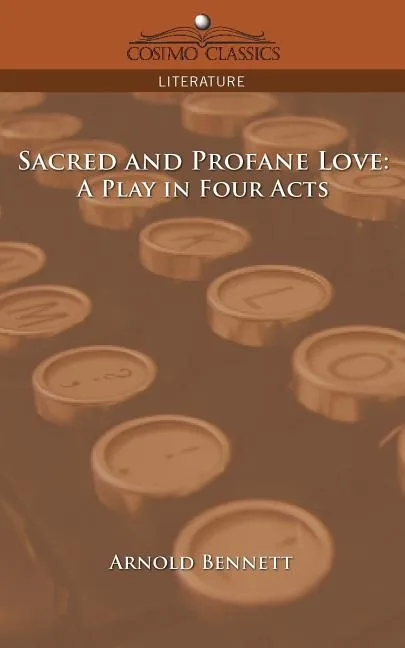
CARLOTTA. Yes, yes! Please! Quick! You see I must go-now, at once. And I can't possibly be seen in the street without something on my head. LOUISA (to herself as she leaves room, L.). Talk about swallowing a camel and straining at a gnat! Stops out all night, but she can't possibly be seen in the street without a hat. -from Scene II Arnold Bennett is considered one of the greatest novelists of the early 20th century, yet his work is all but forgotten today. This 1919 play, based on his novel of the same name (also known as The Book of Carlotta), is a delightful romp, a comedy of sexual manners and mores, of cads and fallen women, that reminds us that stories we suspect were ahead of their time were, in fact, very much of their moment. British writer ARNOLD BENNETT (1867-1931) wrote both fiction and nonfiction, but he is best known for the novels Anna of the Five Towns (1902), Buried Alive (1908), and Clayhanger (1910).
Arnold Bennett
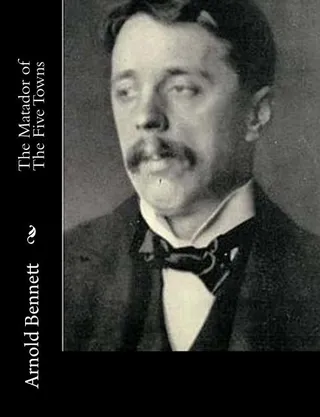
Enoch Arnold Bennett was born on May 27, 1867, in Hanley, Stoke-on-Trent, to parents Enoch Bennett and Sarah Ann Longson. Although initially steered toward a legal career, he found his true vocation in writing. After moving to London, he became a journalist and later a full-time writer, producing novels, short stories, plays, and essays. Bennett's works often focused on the lives of ordinary people in industrial England, particularly in the area known as the Five Towns, which he depicted with vivid realism. His attention to the nuances of class, ambition, and provincial life gained him widespread popularity and critical attention. Some of his most notable works include The Old Wives Tale, Clayhanger, and The Card. Beyond fiction, he was also known for keeping a detailed daily journal and writing essays on self-improvement and literary craft. His experiences in Paris and London enriched his worldview, which he expressed through his cosmopolitan characters and practical philosophical outlook. Bennett s influence extended into public life, and during World War I he worked for the British Ministry of Information. He died in London on March 27, 1931, leaving behind a significant literary legacy and a deeply personal record of early 20th-century English society.
More by Arnold Bennett








Why Readwise Books?
Readwise Books is an ebook & audiobook platform that automatically logs how much you and your friends read, making it fun and easy to read more. Learn more →