Report an issue
Tell us what's wrong and we'll take a look.
Thanks – we got it. We'll review and follow up if needed.
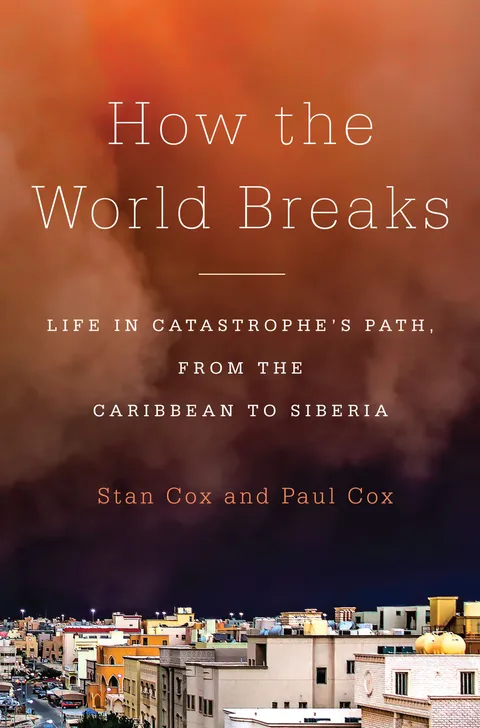
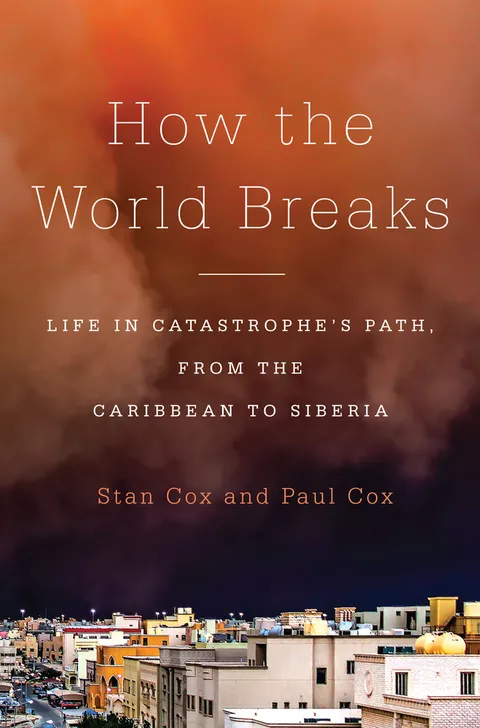
In the very decade when we should be rushing to heal the atmosphere and address the enormous inequalities of risk, a strange idea has taken hold of global disaster policy: resilience. Its proponents say that threatened communities must simply learn the art of resilience, adapt to risk, and thereby survive. This doctrine obscures the human hand in creating disasters and requires the planet's most beleaguered people to absorb the rush of floodwaters and the crush of landslides, freeing the world economy to go on undisturbed. The Coxes' great contribution is to pull the disaster debate out of the realm of theory and into the muck and ash of the world's broken places. There we learn that change is more than mere adaptation and life is more than mere survival. Ultimately, How the World Breaks reveals why--unless we address the social, ecological, and economic roots of disaster--millions more people every year will find themselves spiraling into misery. It is essential reading for our time.
Stan Cox
Stan Cox was a plant breeder at the Land Institute in Salina, Kansas. He has written on environmental issues for newspapers nationwide, including the Washington Post and the Los Angeles Times, as well as for CounterPunch, AlterNet, and many other online publications. He is the author of Any Way You Slice It and Losing Our Cool, both published by The New Press, and Sick Planet: Corporate Food and Medicine. With his son, Paul Cox, he is a co-author of How the World Breaks: Life in Catastrophe's Path, from the Caribbean to Siberia (The New Press). He lives in Salina.
More by Stan Cox


Why Readwise Books?
Readwise Books is an ebook & audiobook platform that automatically logs how much you and your friends read, making it fun and easy to read more. Learn more →