Report an issue
Tell us what's wrong and we'll take a look.
Thanks – we got it. We'll review and follow up if needed.
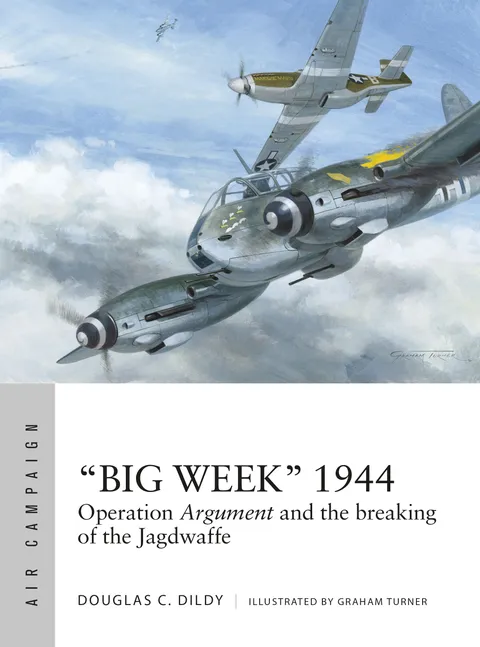
A rigorous new analysis of America's legendary 'Big Week' air campaign which enabled the Allies to gain air superiority before D-Day.
The USAAF's mighty World War II bomber forces were designed for unescorted, precision daylight bombing, but no-one foresaw the devastation that German radar-directed interceptors would inflict on them. Following the failures of 1943's Schweinfurt-Regensburg raids, and with D-Day looming, the Allies urgently needed to crush the Luftwaffe's ability to oppose the landings.
In February 1944, the Allies conceived and fought history's first-ever successful offensive counterair (OCA) campaign, Operation Argument or “Big Week.” Attacking German aircraft factories with hundreds of heavy bombers, escorted by the new long-range P-51 Mustang, it aimed both to slash aircraft production and force the Luftwaffe into combat, allowing the new Mustangs to take their toll on the German interceptors. This expertly written, illustration-packed account explains how the Allies finally began to win air superiority over Europe, and how Operation Argument marked the beginning of the Luftwaffe's fall.
Douglas C Dildy
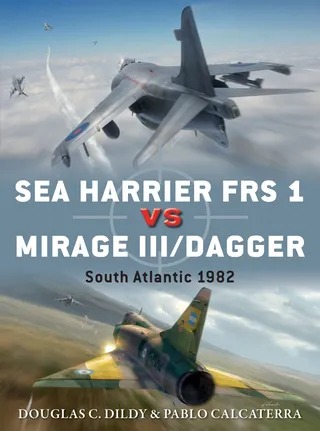
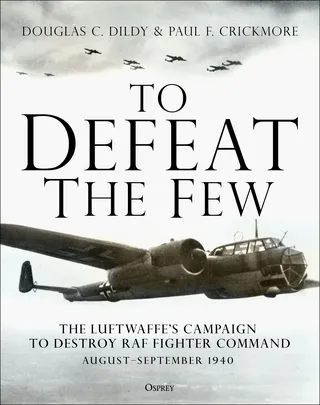
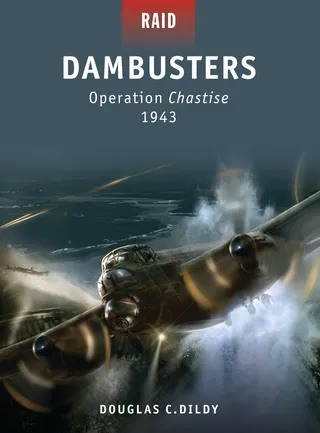
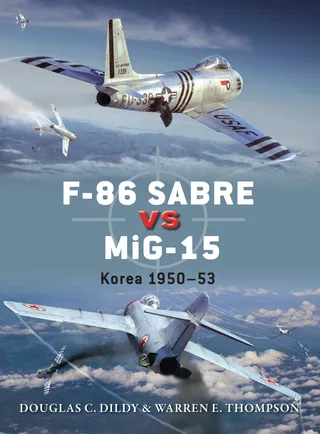
Douglas C. Dildy retired from the US Air Force (USAF) after 26 years of service, during which he flew McDonnell Douglas F-15 Eagle interceptors, commanded the 32nd Fighter Squadron and was vice-commander of the 33rd Fighter Wing. A graduate of the USAF Academy as a history major, and having a masters degree in Political Science, Dildy has written a dozen of books on aerial warfare. He is a feature writer for Aviation Classics, an associate editor of Logbook and a regular contributor to the Small Air Forces Observer magazine. Doug lives in Albuquerque, New Mexico.
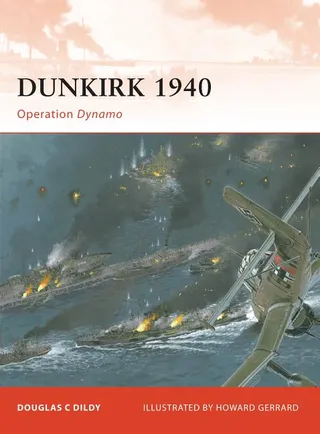
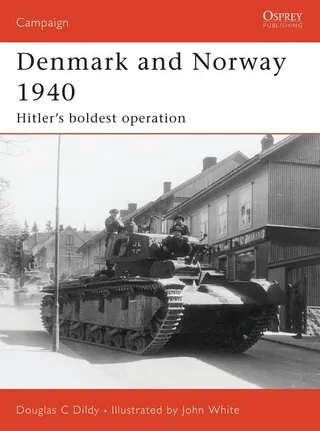
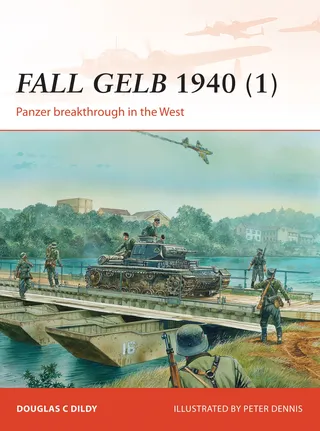
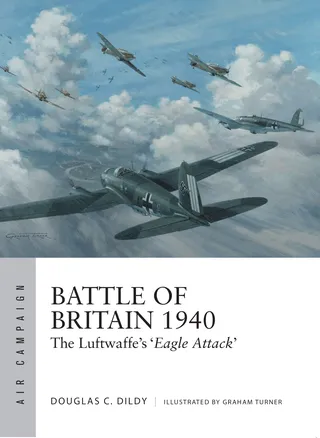
More by Douglas C Dildy


Why Readwise Books?
Readwise Books is an ebook & audiobook platform that automatically logs how much you and your friends read, making it fun and easy to read more. Learn more →