Report an issue
Tell us what's wrong and we'll take a look.
Thanks – we got it. We'll review and follow up if needed.
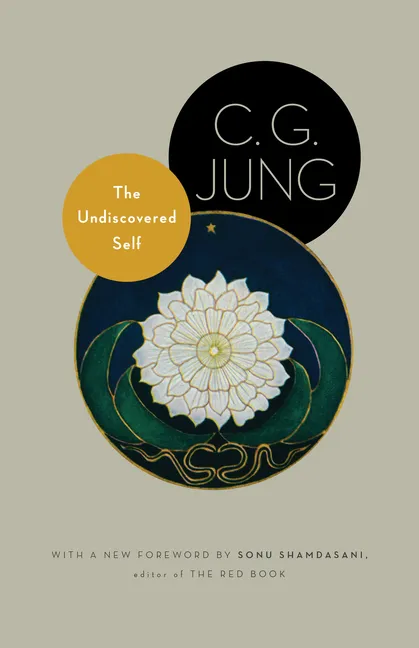
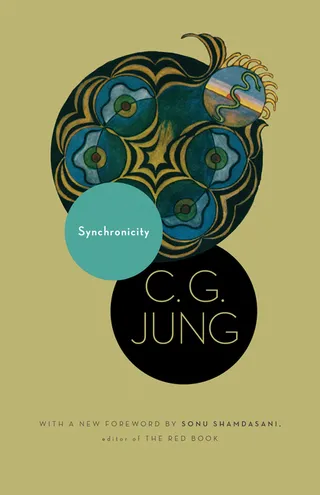
These two essays, written late in Jung's life, reflect his responses to the shattering experience of World War II and the dawn of mass society. Among his most influential works, "The Undiscovered Self" is a plea for his generation--and those to come--to continue the individual work of self-discovery and not abandon needed psychological reflection for the easy ephemera of mass culture. Only individual awareness of both the conscious and unconscious aspects of the human psyche, Jung tells us, will allow the great work of human culture to continue and thrive.
Jung's reflections on self-knowledge and the exploration of the unconscious carry over into the second essay, "Symbols and the Interpretation of Dreams," completed shortly before his death in 1961. Describing dreams as communications from the unconscious, Jung explains how the symbols that occur in dreams compensate for repressed emotions and intuitions. This essay brings together Jung's fully evolved thoughts on the analysis of dreams and the healing of the rift between consciousness and the unconscious, ideas that are central to his system of psychology.
This paperback edition of Jung's classic work includes a new foreword by Sonu Shamdasani, Philemon Professor of Jung History at University College London.
C G Jung
C.G. Jung was one of the great figures of the 20th century. He radically changed not just the study of psychology (setting up the Jungian school of thought) but the very way in which insanity is treated and perceived in our society.
More by C G Jung







Why Readwise Books?
Readwise Books is an ebook & audiobook platform that automatically logs how much you and your friends read, making it fun and easy to read more. Learn more →