Report an issue
Tell us what's wrong and we'll take a look.
Thanks – we got it. We'll review and follow up if needed.
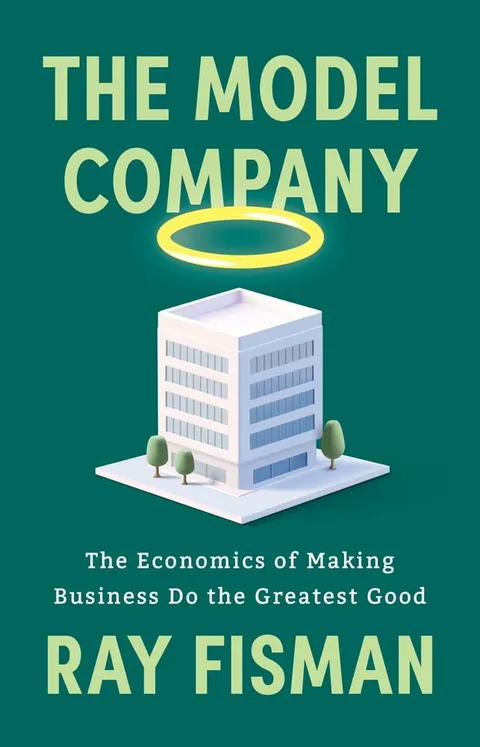
What works--and what doesn't--when companies try to do good
Can companies really be "socially responsible"--and should they try? This debate is newly urgent as consumers, employees, and investors push companies to take a stand on everything from climate change to inequality. In this lively and clear-eyed book, economist Ray Fisman cuts through the rhetoric around "doing well by doing good" to show what actually changes corporate behavior and what doesn't--and what corporations should really do if they have society's interests at heart. He will answer questions many of us may be asking:
- Will consumers pay more for eco-friendly products?
- Will employees work harder if they're paid a living wage?
- Do ESG (environmental, social, and governance) funds make a difference?
- Should you pay more for fair-trade coffee at your local café? (Yes, you should.)
Drawing on decades of evidence, Fisman examines which approaches to corporate responsibility make a genuine difference--and which are cheap talk, or worse. The result is a practical framework for understanding the tradeoffs between profit and purpose, recognizing which efforts to do good are likely to succeed, and how your choices can push companies to do better.
Ray Fisman
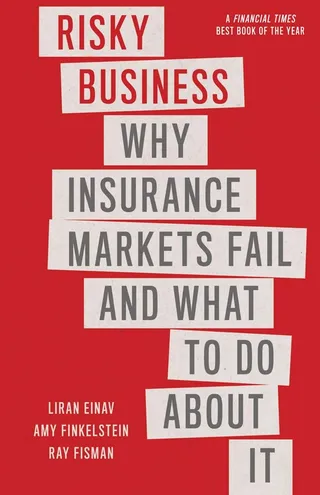
Ray Fisman is the Slater Family Professor in Behavioral Economics at Boston University. His most recent book (with Liran Einav and Amy Finkelstein) is Risky Business: Why Insurance Markets Fail and What to Do About It.
More by Ray Fisman


Why Readwise Books?
Readwise Books is an ebook & audiobook platform that automatically logs how much you and your friends read, making it fun and easy to read more. Learn more →