Report an issue
Tell us what's wrong and we'll take a look.
Thanks – we got it. We'll review and follow up if needed.
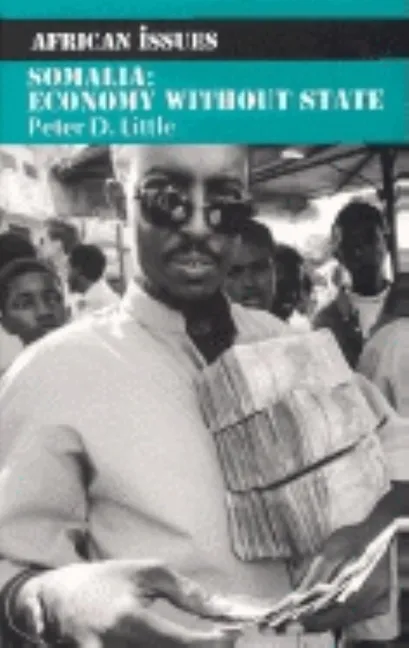
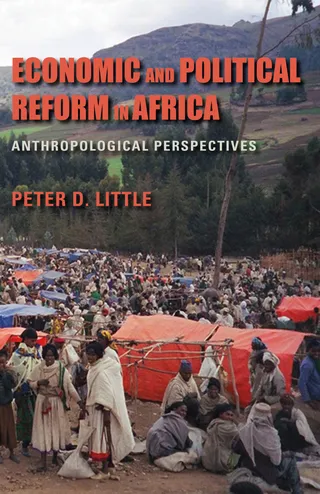
In the wake of the collapse of the Somali government in 1991, a "second" or "informal" economy based on trans-border trade and smuggling is thriving. While focusing primarily on pastoral and agricultural markets, Peter D. Little demonstrates that the Somalis are resilient and opportunistic and that they use their limited resources effectively. While it is true that many Somalis live in the shadow of brutal warlords and lack access to basic health care and education, Little focuses on those who have managed to carve out a productive means of making ends meet under difficult conditions and emphasizes the role of civic culture even when government no longer exists. Exploring questions such as, Does statelessness necessarily mean anarchy and disorder? Do money, international trade, and investment survive without a state? Do pastoralists care about development and social improvement? This book describes the complexity of the Somali situation in the light of international terrorism.
Peter D Little
Peter Little is a professor and chair of the department of Anthropology at the University of Kentucky in Lexington, KY, USA. His research over the past 23 years falls into agrarian (pastoral) production systems, marketing, and social organization in East Africa; environmental degradation and political ecology; and the social effects on rural communities of economic restructuring, globalization, and development.
More by Peter D Little


Why Readwise Books?
Readwise Books is an ebook & audiobook platform that automatically logs how much you and your friends read, making it fun and easy to read more. Learn more →