Report an issue
Tell us what's wrong and we'll take a look.
Thanks – we got it. We'll review and follow up if needed.
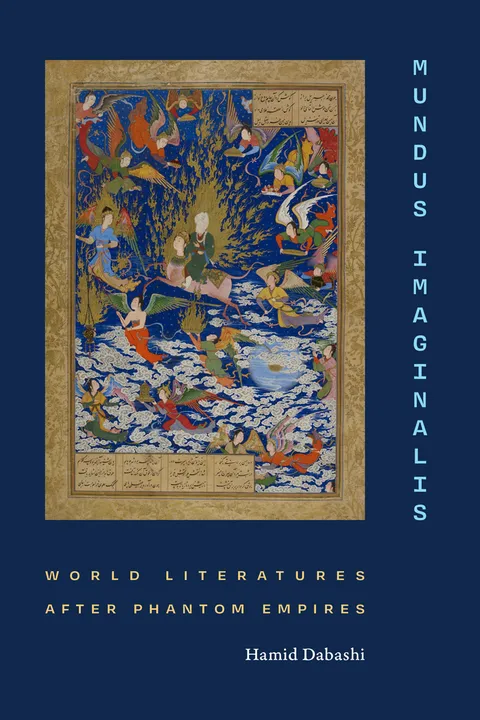
In Mundus Imaginalis, Hamid Dabashi exposes the Eurocentric worldview underlying the concept of World Literature and maps an alternative vision grounded in a centerless, pluralist world. Drawing on comparisons to the Persian literary tradition, Dabashi shows how imperial pasts cast a long and distorting shadow on cultural presents. Imperial imaginations outlast empires themselves, leaving "phantom empires" that perpetuate particular geographies of the world and arbitrate the literary. The Eurocentric idea of World Literature domesticates and provincializes alternative ideas and conceptions, casting them as national allegories precisely at a time when Europe itself has been exposed for its own provinciality. Drawing on the classical Persian notion of the "imaginal world," or mundus imaginalis, Dabashi retrieves a metaphysical foregrounding of worldly literature, charting a trajectory of thinkers whose literary imagination does not align with political desires for conquest, calculation, and consumption. Mundus Imaginalis shows how this imaginal world, which gives root to all aesthetic acts, maps an entirely distinct world of creative imagination.
Hamid Dabashi
Hamid Dabashi is the Hagop Kevorkian Professor of Iranian Studies and Comparative Literature at Columbia University. He is the author of many books, among them Masters and Masterpieces of Iranian Cinema and The End of Two Illusions: Islam after the West.
More by Hamid Dabashi







Why Readwise Books?
Readwise Books is an ebook & audiobook platform that automatically logs how much you and your friends read, making it fun and easy to read more. Learn more →