Report an issue
Tell us what's wrong and we'll take a look.
Thanks – we got it. We'll review and follow up if needed.
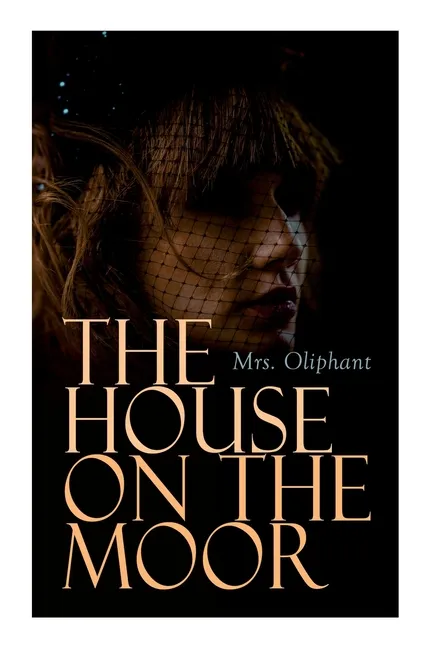
In "The House on the Moor," Mrs. Oliphant intricately weaves a narrative rich in both psychological depth and atmospheric detail, set against the haunting landscapes of the Scottish Highlands. The story follows the lives of its characters entwined within the moor's enigmatic charm, employing a blend of realism and Gothic elements that reflect the emotional turbulence of human relationships. Employing a lyrical prose style, Oliphant tirelessly explores themes of isolation, love, and the impact of place on the human spirit, making it a significant work within the Victorian literary tradition. As an accomplished author of the time, Mrs. Oliphant was not only a chronicler of her era but also a keen observer of social dynamics. Her diverse literary career, which included fiction, biography, and social commentary, undoubtedly informs the complex characterizations and moral dilemmas found in this novel. Her own experiences, particularly her life in Scotland and her understanding of the moorland landscape, contribute to the rich textures and undercurrents in the narrative, making her insights both personal and universal. "The House on the Moor" is highly recommended for readers who appreciate literary fiction that delves into the human psyche while simultaneously evoking the beauty and peril of nature. This novel offers a poignant reflection on how place influences identity and relationships, making it an essential read for those intrigued by the interplay of character and setting in literature.
Margaret Wilson Oliphant
Margaret Oliphant was a Scottish author and historical writer who usually wrote under the name Mrs. Oliphant. She was born Margaret Oliphant Wilson on April 4, 1828, and died on June 20, 1897. She writes "domestic realism, the historical novel, and tales of the supernatural" as her short stories. Margaret Oliphant was born in Wallyford, near Musselburgh, East Lothian. She was the only daughter and youngest child still living of Margaret Oliphant (c. 1789-17 September 1854) and Francis W. Wilson, a clerk. We lived in Lasswade, Glasgow, and Liverpool when she was a child. In Wallyford, a street called Oliphant Gardens is named after her. As a girl, she was always trying new things with writing. Passages in the Life of Mrs. Margaret Maitland, her first book, came out in 1849. This was about the mostly successful Scottish Free Church movement, which was something her folks agreed with. Next came Caleb Field in 1851, the same year she met publisher William Blackwood in Edinburgh and was asked to write for Blackwood's Magazine. She did so for the rest of her life and wrote over 100 articles, including one that criticized Arthur Dimmesdale in Nathaniel Hawthorne's "The Scarlet Letter."
More by Margaret Wilson Oliphant





Why Readwise Books?
Readwise Books is an ebook & audiobook platform that automatically logs how much you and your friends read, making it fun and easy to read more. Learn more →