Report an issue
Tell us what's wrong and we'll take a look.
Thanks – we got it. We'll review and follow up if needed.
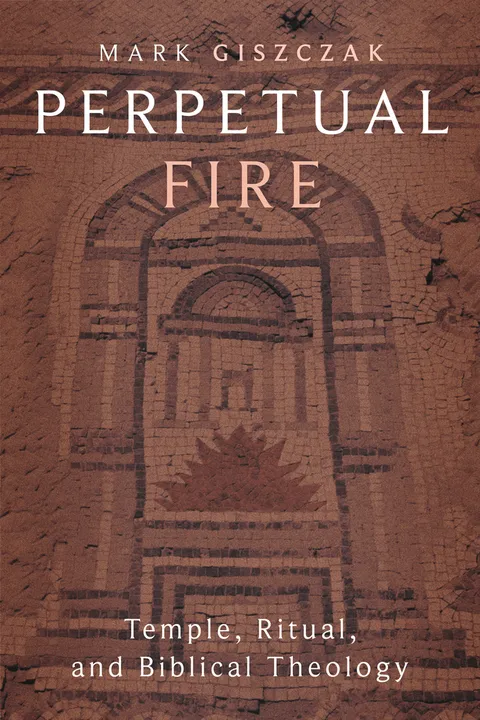
A pattern that begins with theophanies like the burning bush and scenes of divine cultic authorization in which fire falls from heaven becomes ritually inscribed in the symbolism of temple, sacrifice and priesthood. The unquenchable fire inaugurated by God comes to function as a cipher for temple legitimacy and a token of divine presence. God alone enjoys the prerogative to light the cultic fire that in some way represents his body. The radiance of this fiery body of God is then shared with Adam in his pre-Fall state, with Moses on Mount Sinai, and with the high priest bedecked with radiant jewels.
These symbolic trajectories are eventually caught up in the transfiguration of Jesus, who is revealed as the radiant priestly Adamic imago Dei, the cult image of the new creation. Paul's theology of resurrection then builds on these themes by depicting resurrected humanity in Christ as gloriously radiant, purified by the same fire that destroys wickedness. Finally, this theology of fire envisions Christian spirituality as an assimilation to divine fire, a participation in the radiance of Christ. From creation to the eschaton, this study illustrates the lasting theological legacy of the perpetual fire of the temple altar.
Mark Giszczak
Mark Giszczak (PhD, The Catholic University of America) is professor of Sacred Scripture at the Augustine Institute in Greenwood Village, Colorado. He is the author of Bible Translation and the Making of the ESV Catholic Edition and Light on the Dark Passages of Scripture. He has also contributed to the Augustine Institute's Bible in a Year and the Ignatius Catholic Study Bible.
More by Mark Giszczak


Why Readwise Books?
Readwise Books is an ebook & audiobook platform that automatically logs how much you and your friends read, making it fun and easy to read more. Learn more →