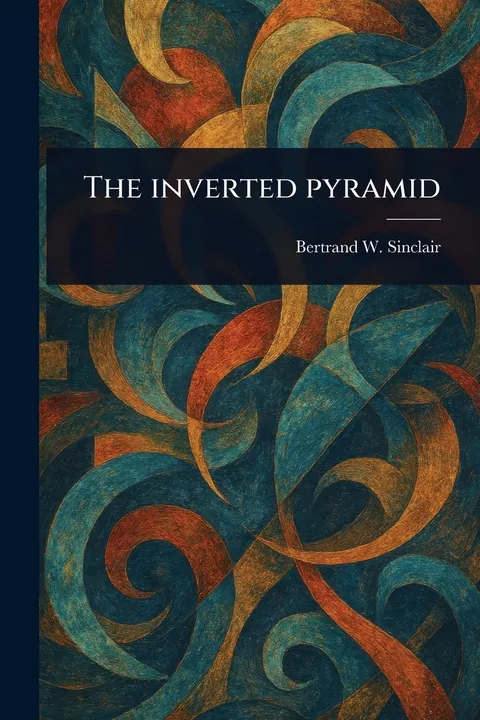
The Inverted Pyramid
Report an issue
Tell us what's wrong and we'll take a look.
Thanks – we got it. We'll review and follow up if needed.
Bertrand W. Sinclair's "The Inverted Pyramid" plunges into the heart of the historical lumber trade, exploring the challenges and conflicts inherent in a burgeoning industry. Set against the backdrop of the American West, this work of historical fiction offers a glimpse into the lives of those involved in logging and resource management during a pivotal era.
This meticulously prepared reprint provides a window into the past, showcasing the author's detailed portrayal of the business and economics surrounding the energy industry of the time. Readers interested in Western fiction and historical narratives will appreciate the book's depiction of the lumber trade as a complex and compelling subject. "The Inverted Pyramid" remains a relevant and engaging read, capturing the spirit of a bygone era with its vivid storytelling and timeless themes.
This work has been selected by scholars as being culturally important, and is part of the knowledge base of civilization as we know it.
This work is in the public domain in the United States of America, and possibly other nations. Within the United States, you may freely copy and distribute this work, as no entity (individual or corporate) has a copyright on the body of the work.
Scholars believe, and we concur, that this work is important enough to be preserved, reproduced, and made generally available to the public. We appreciate your support of the preservation process, and thank you for being an important part of keeping this knowledge alive and relevant.
Bertrand W Sinclair
Bertrand William Sinclair (1881-1972) was a Canadian novelist and playwright known for his engaging stories that often reflect the challenges and experiences of life in the Canadian wilderness. Born in Ontario and later relocating to British Columbia, Sinclair's work frequently explores themes of ambition, survival, and the quest for identity against the backdrop of the rugged landscape. Bertrand W. Sinclair's notable works include ""Poor Man's Rock,"" which delves into the lives of prospectors during the gold rush, and ""The Last of the Plainsmen,"" showcasing his deep appreciation for the natural environment and its impact on human endeavors. Sinclair's writing is characterized by its vivid descriptions and a strong character development, highlighting the moral and ethical dilemmas faced by individuals in their pursuit of wealth and fulfillment. Bertrand W. Sinclair's legacy endures through his insightful portrayal of the complexities of human nature and the interplay between people and their environment.
More by Bertrand W Sinclair





Why Readwise Books?
Readwise Books is an ebook & audiobook platform that automatically logs how much you and your friends read, making it fun and easy to read more. Learn more →