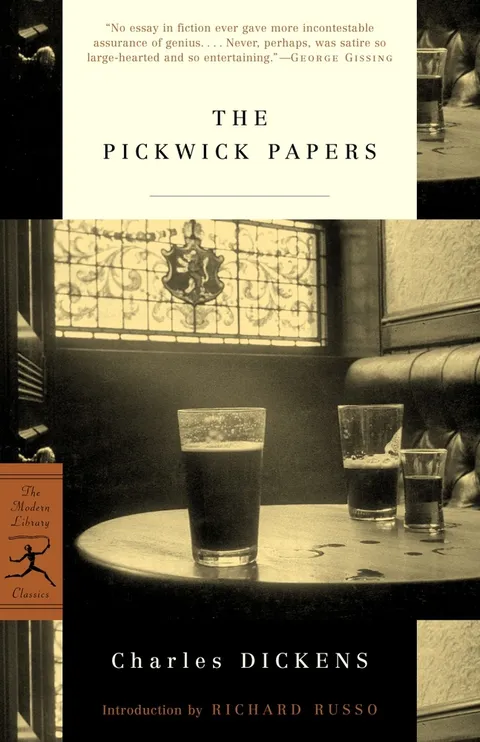
The Pickwick Papers
Report an issue
Tell us what's wrong and we'll take a look.
Thanks – we got it. We'll review and follow up if needed.
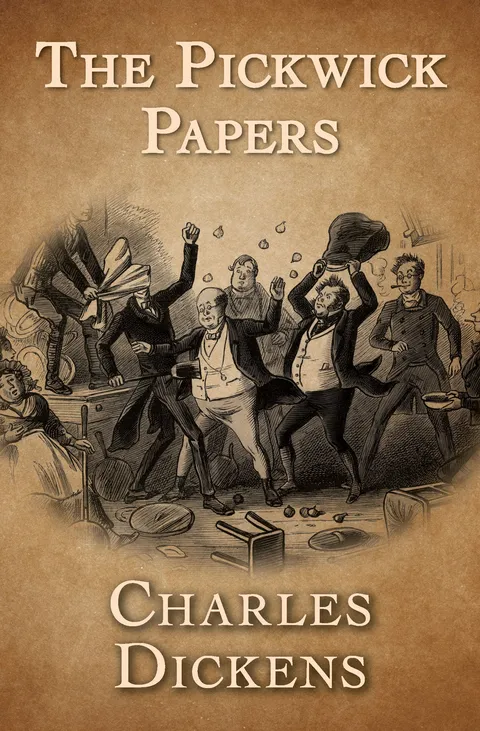
Charles Dickens's satirical masterpiece, The Pickwick Papers, catapulted the young writer into literary fame when it was first serialized in 1836-37. It recounts the rollicking adventures of the members of the Pickwick Club as they travel about England getting into all sorts of mischief. Laugh-out-loud funny and endlessly entertaining, the book also reveals Dickens's burgeoning interest in the parliamentary system, lawyers, the Poor Laws, and the ills of debtors' prisons. As G. K. Chesterton noted, "Before [Dickens] wrote a single real story, he had a kind of vision . . . a map full of fantastic towns, thundering coaches, clamorous market-places, uproarious inns, strange and swaggering figures. That vision was Pickwick."
Charles Dickens
Charles Dickens was born in 1812 near Portsmouth where his father was a clerk in the navy pay office. The family moved to London in 1823, but their fortunes were severely impaired. Dickens was sent to work in a blacking-warehouse when his father was imprisoned for debt. Both experiences deeply affected the future novelist. In 1833 he began contributing stories to newspapers and magazines, and in 1836 started the serial publication of Pickwick Papers. Thereafter, Dickens published his major novels over the course of the next twenty years, from Nicholas Nickleby to Little Dorrit. Dickens died in June 1870.
More by Charles Dickens




Why Readwise Books?
Readwise Books is an ebook & audiobook platform that automatically logs how much you and your friends read, making it fun and easy to read more. Learn more →