Report an issue
Tell us what's wrong and we'll take a look.
Thanks – we got it. We'll review and follow up if needed.
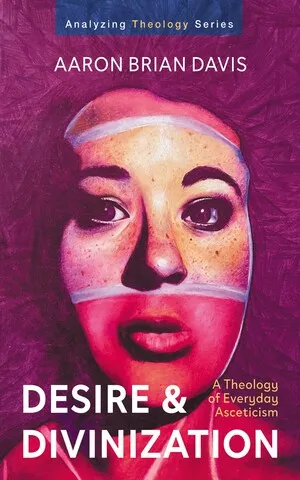
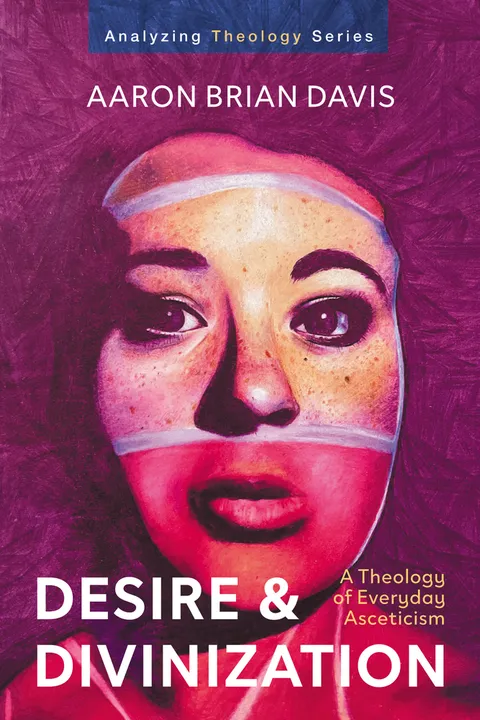
Could desires for everyday things like food or companionship have anything to do with Christian salvation? Desire and Divinization answers this question with a firm "yes." Human desires--from the mundane to the profound--are given to us by a desiring God, and though they may be fallen they can be used by God as signposts guiding us to richer union between us and our Creator. Work from Sarah Coakley on the theological character of desire is combined with a novel, Protestant understanding of participation in God's being; sometimes called theosis or deification, here called "divinization" to emphasize the way in which our imperfect, finite desires can be refashioned into things more like God's perfect, infinite desire for our love and flourishing. Bringing these two ideas together, Desire and Divinization proposes that this renewal of our lives comes in the form of a kind of ascetic practice. Not one of harsh denial, cold shame, or distant isolation, but rather one that embraces the God-given character of our desires and God's call for them to return to their Maker. Desire and Divinization is a call to have life, and have it abundantly, as Jesus teaches (John 10:10).
Aaron Brian Davis
Dr. Aaron Brian Davis is a theologian, philosopher, and ethicist from Western North Carolina. Currently, he serves as Scholar-in-Residence in Trinity Lutheran Seminary at Capital University and as Vicar at Lutheran Church of the Nativity (Arden, NC). Davis earned his PhD at the University of St Andrews and is both author of Desire and Divinization: A Theology of Everyday Asceticism (2026) and co-editor of Disability Theology and Eschatology: Hope, Justice, and Flourishing (2025).


Why Readwise Books?
Readwise Books is an ebook & audiobook platform that automatically logs how much you and your friends read, making it fun and easy to read more. Learn more →