
Report an issue
Tell us what's wrong and we'll take a look.
Thanks – we got it. We'll review and follow up if needed.
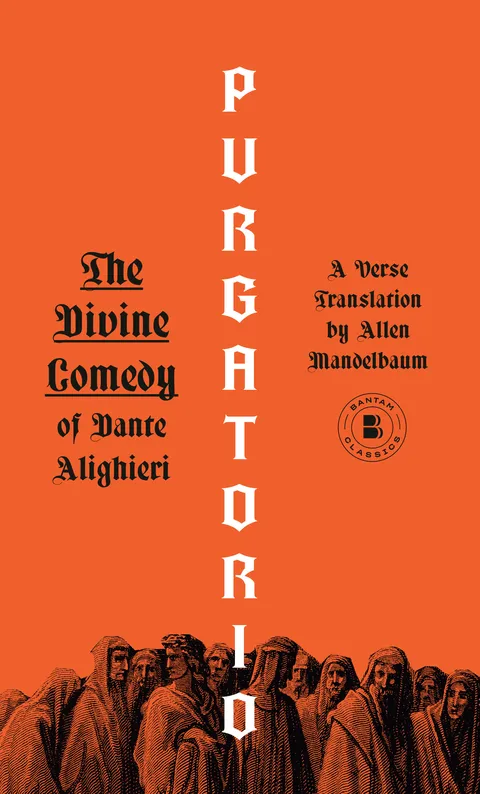
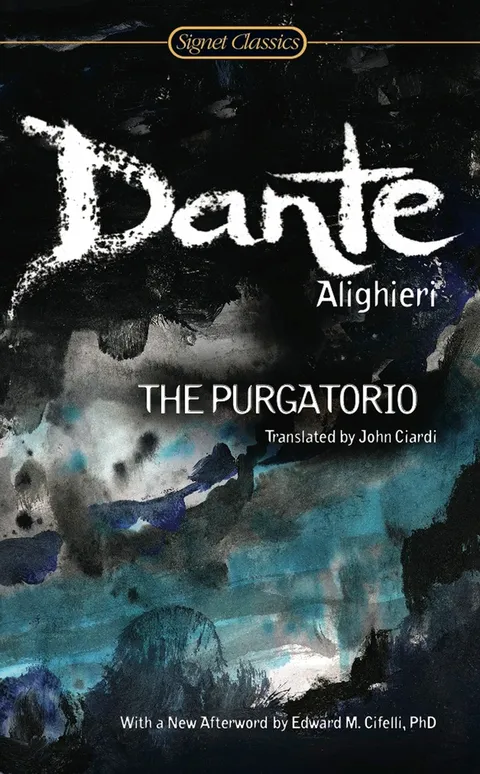
Dante Alighieri's Purgatorio continues the extraordinary spiritual and poetic journey of The Divine Comedy, guiding readers from the darkness of sin toward purification, redemption, and spiritual renewal. As Dante ascends the mountain of Purgatory under the guidance of the Roman poet Virgil, he encounters souls engaged in repentance, reflection, and moral transformation while preparing themselves for eventual entrance into Paradise.
Originally completed in the early fourteenth century, Purgatorio forms the central movement of Dante's monumental masterpiece, standing between the despair of Inferno and the transcendent vision of Paradiso. Through richly symbolic encounters, philosophical dialogue, political commentary, theological reflection, and lyrical poetry, Dante explores the nature of free will, repentance, grace, justice, virtue, and the gradual purification of the human soul.
Unlike the eternal punishments of Hell, the world of Purgatorio is defined by hope, spiritual progress, and redemption. The souls Dante encounters willingly embrace their suffering as part of their transformation, creating one of literature's most profound meditations on moral growth and spiritual aspiration.
Widely regarded as one of the supreme achievements of world literature, The Divine Comedy shaped the development of poetry, theology, philosophy, and the literary imagination throughout the Western world. Purgatorio remains central to the study of medieval literature, Christian thought, allegory, and the history of epic poetry.
Ideal for readers of classic literature, medieval poetry, religious philosophy, Italian literature, Christian theology, and the great works of world civilisation.
Dante Alighieri
Dante Alighieri (c. 1265–1321) was an Italian poet, writer, and political thinker. After studying at the University of Bologna, he married and had four children. Dante was exiled from his hometown of Florence in 1302 due to his political leanings, finally settling in the city of Ravenna in 1307, when he began writing The Divine Comedy.
More by Dante Alighieri



Why Readwise Books?
Readwise Books is an ebook & audiobook platform that automatically logs how much you and your friends read, making it fun and easy to read more. Learn more →