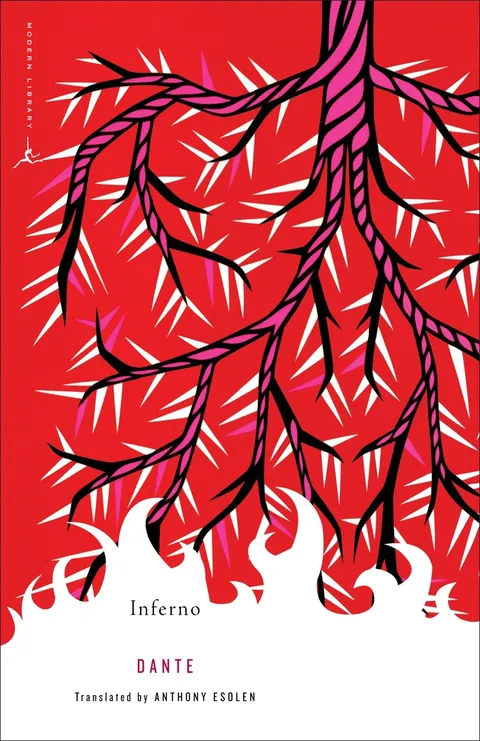
Inferno
Report an issue
Tell us what's wrong and we'll take a look.
Thanks – we got it. We'll review and follow up if needed.
"Professor Esolen's translation of Dante's Inferno is the best one I have seen."--A. Kent Hieatt, translator of The Canterbury Tales
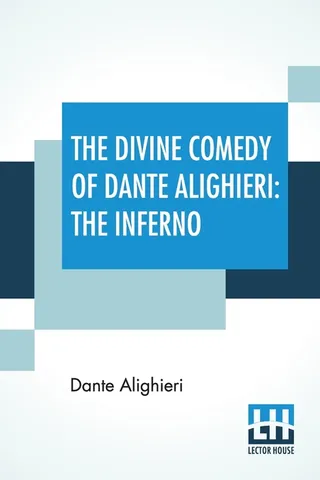
The Inferno, the first and most famous part of Dante's Divine Comedy, describes in unforgettable detail Dante's harrowing journey to the very bottom of the underworld. Guided by the poet Virgil, he travels through the nine concentric circles of Hell, each more cruel and sinister than the last.
At once universal and personal, Dante's Inferno is an epic poem filled with politics and philosophy, humor and horror. This sublime translation brings Dante's masterpiece to vivid life and includes a substantive introduction, extensive notes, and detailed appendices that reproduce Dante's key sources and influences to provide the most comprehensive version of this classic poem.
Dante
Dante was born in Florence, Italy, in 1265. Heir of a poor but noble family, he was one of the seven elected officials in charge of the government of Florence. Civil war was common in Florence at the time and the issues were further complicated by the question of Papal influence. In 1300, Dante along with his fellow magistrates confirmed anti-papal measures. When in 1302, the French prince acting under orders from the Pope captured power in Florence, Dante was sentenced on charges of corruption and opposition to the Church and exiled from Florence on pain of execution by burning if he ever returned. He spent the rest of his life in exile, pining for his native city. He withdrew from active politics to a large extent and concentrated on his literary creations.
We do not know exactly when Dante began work on The Divine Comedy. He had been moving about from court to court after his exile and 1n 1317 had settled at Ravenna, where he completed his great work. Extant correspondence shows that the first and second parts of The Divine Comedy, the "Inferno" and the "Purgatario" were generally known around 1319. The last part, the "Paradiso" was completed only in 1321. Dante died at Ravenna on 14 September 1321 and the last thirteen Cantos of the "Paradiso" were published posthumously.
More by Dante

Anthony Esolen
Translated by
Anthony Esolen, Professor of English at Providence College, is the editor and translator of the Modern Library edition of Dante's Divine Comedy. He has published scholarly articles on Spenser, Shakespeare, Dante, and Tasso in various journals and is a senior editor and frequent contributor to Touchstone: A Journal of Mere Christianity.


Why Readwise Books?
Readwise Books is an ebook & audiobook platform that automatically logs how much you and your friends read, making it fun and easy to read more. Learn more →