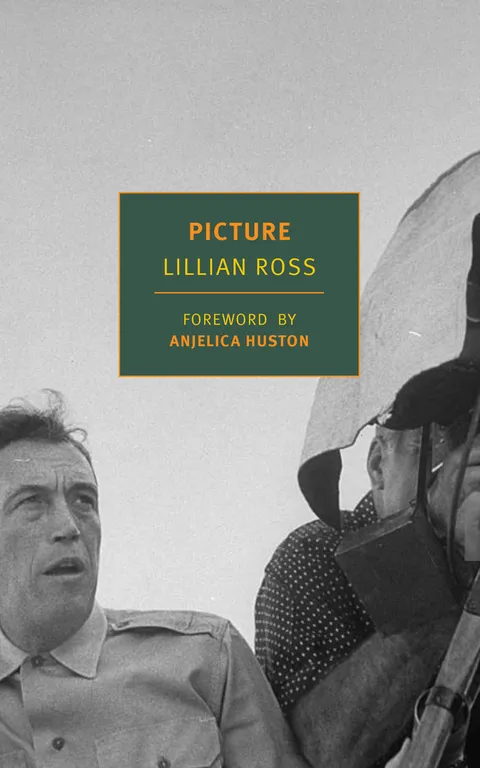
Picture
Report an issue
Tell us what's wrong and we'll take a look.
Thanks – we got it. We'll review and follow up if needed.
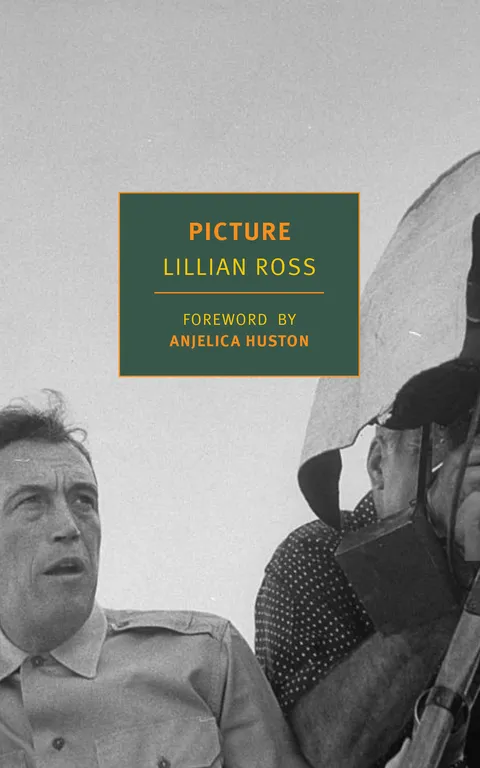
Lillian Ross worked at The New Yorker for more than half a century, and might be described not only as an outstanding practitioner of modern long-form journalism but also as one of its inventors. Picture, originally published in 1952, is her most celebrated piece of reportage, a closely observed and completely absorbing story of how studio politics and misguided commercialism turn a promising movie into an all-around disaster. The charismatic and hard-bitten director and actor John Huston is at the center of the book, determined to make Stephen Crane's The Red Badge of Courage--one of the great and defining works of American literature, the first modern war novel, a book whose vivid imagistic style invites the description of cinematic--into a movie that is worthy of it. At first all goes well, as Huston shoots and puts together a two-hour film that is, he feels, the best he's ever made. Then the studio bosses step in and the audience previews begin, conferences are held, and the movie is taken out of Huston's hands, cut down by a third, and finally released--with results that please no one and certainly not the public: It was an expensive flop. In Picture, which Charlie Chaplin aptly described as "brilliant and sagacious," Ross is a gadfly on the wall taking note of the operations of a system designed to crank out mediocrity.
Lillian Ross
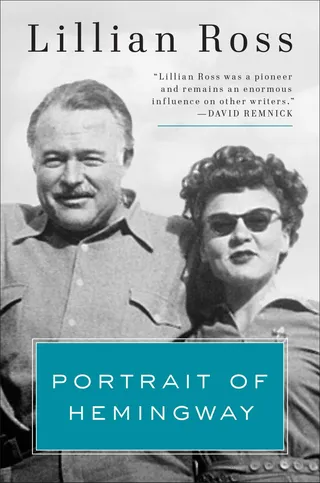
Lillian Ross is an American journalist and author who has been a staff writer at The New Yorker since 1945. She began as a “Talk of the Town” reporter and, over the course of her career, she has written hundreds of pieces, contributing to nearly every section of the magazine.
More by Lillian Ross


Why Readwise Books?
Readwise Books is an ebook & audiobook platform that automatically logs how much you and your friends read, making it fun and easy to read more. Learn more →