Report an issue
Tell us what's wrong and we'll take a look.
Thanks – we got it. We'll review and follow up if needed.
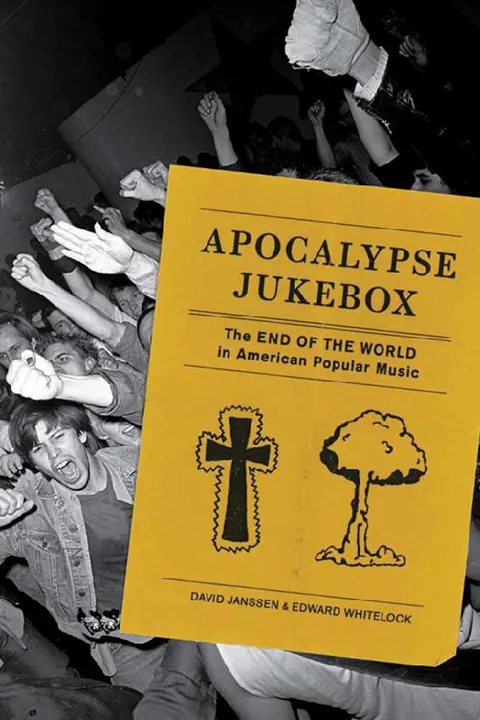
From its indefinite beginnings through its broad commercialization and endless reinterpretation, American rock-and-roll music has been preoccupied with an end-of-the-world mentality that extends through the whole of American popular music. In Apocalypse Jukebox, Edward Whitelock and David Janssen trace these connections through American music genres, uncovering a mix of paranoia and hope that characterizes so much of the nation’s history.
From the book’s opening scene, set in the American South during a terrifying 1833 meteor shower, the sense of doom is both palpable and inescapable; a deep foreboding that shadows every subsequent development in American popular music and, as Whitelock and Janssen contend, stands as a key to understanding and explicating America itself.
Whitelock and Janssen examine the diversity of apocalyptic influences within North American recorded music, focusing in particular upon a number of influential performers, including Bob Dylan, Leonard Cohen, John Coltrane, Devo, R.E.M., Sleater-Kinney, and Green Day. In Apocalypse Jukebox, Whitelock and Janssen reveal apocalypse as a permanent and central part of the American character while establishing rock-and-roll as a true reflection of that character.











Why Readwise Books?
Readwise Books is an ebook & audiobook platform that automatically logs how much you and your friends read, making it fun and easy to read more. Learn more →