Report an issue
Tell us what's wrong and we'll take a look.
Thanks – we got it. We'll review and follow up if needed.
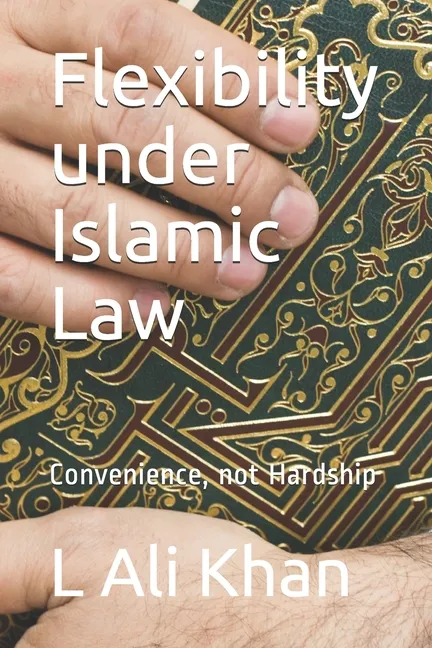
Islamic law proposes inverse connectivity between flexibility and hardship: Flexibility mitigates hardship while rigidity aggravates hardship. In Islamic law, flexibility is the organizing norm of legal intelligence in its manifestations. Generally, hardship restricts personal freedom and impedes human happiness, social harmony, and economic prosperity. In contrast, many benefits radiate from flexibility. Flexibility facilitates the performance of obligations, bending without abandoning the concepts of time and place commitments. Flexibility serves as an accommodation principle for persons with disabilities. By removing hardship, flexibility supports convenience and creativity. Creative minds and creative enterprises seldom thrive in rigid structures; they need fluid and flexible settings. Finally, flexibility endorses a concept of adaptable normativity under which each generation of jurists is free to interpret the founding sources of Islamic law, the Qur'an and Prophet's Sunnah. This Book urges legal systems, Muslims and non-Muslims, to incorporate flexibility as the supreme principle of legal intelligence manifested in legislation, adjudication, and law enforcement.





Why Readwise Books?
Readwise Books is an ebook & audiobook platform that automatically logs how much you and your friends read, making it fun and easy to read more. Learn more →