Report an issue
Tell us what's wrong and we'll take a look.
Thanks – we got it. We'll review and follow up if needed.
Caring Through Time: Bioarchaeology of Care for the Disabled (998 words) For millennia, archaeologists have meticulously pieced together the stories of the past through artifacts, architecture, and skeletal remains. However, a significant portion of the population has been largely overlooked: disabled and/or impaired individuals. Traditionally portrayed as liminal figures, shrouded in narratives of despair and neglect, they often vanish from the historical record (Doat, 2017). This skewed perspective results in an incomplete understanding of past societies, neglecting the rich tapestry of human experience that includes disability. A Missing Voice in the Past The archaeological record can be unforgiving to those who don't fit the mold of the "healthy" and "able-bodied." Skeletal evidence of disabilities like blindness, deafness, or mobility impairments is often overlooked or misinterpreted. Additionally, the emotional framing of disability in past societies, emphasizing "despitness" and "dread" (Metzler, 2013), leads to a focus on individual suffering rather than the social context of care and support.
Sartre
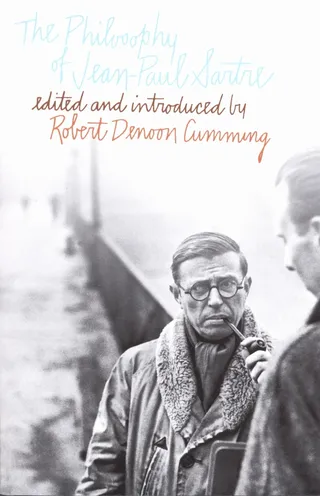
Jean-Paul Sartre (1905–1980) was the foremost French thinker and writer of the post-WWII years. His books have exerted enormous influence in philosophy, literature, art, and politics.
More by Sartre







Why Readwise Books?
Readwise Books is an ebook & audiobook platform that automatically logs how much you and your friends read, making it fun and easy to read more. Learn more →