Report an issue
Tell us what's wrong and we'll take a look.
Thanks – we got it. We'll review and follow up if needed.
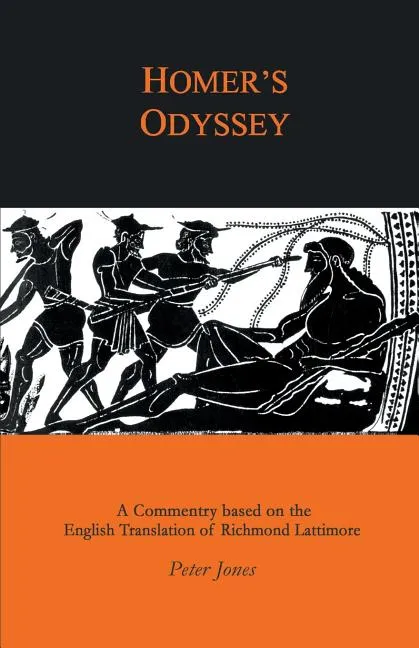
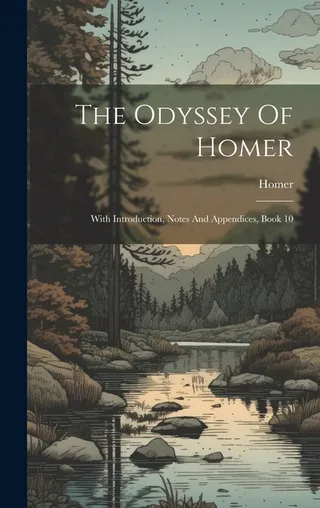
Peter Jones provides a line-by-line commentary on Homer's Odyssey that explains the factual details, mythological allusions, and Homeric conventions that a student or general reader could not be expected to bring to an initial encounter with the Odyssey. It also illuminates epic style, Homer's methods of composition, the structure of work, and his characterization. The introduction describes the features of oral poetry and looks at the history of the text of the Odyssey.
The commentary based on Richard Lattimore's translation, since it is both widely read and technically accurate, but it will be equally relevant to other translations.
This series of Companions is designed for readers who approach the authors of the ancient world with little or no knowledge of Latin or Greek, or of the classical world. The commentaries accompany readily available translations, and the series should be of value to students of classical civilization studies, and history, for GCSE and A Level and at university. Each volume in the series includes the following: an introduction to the author and his work, with reference to scholarly views; a commentary providing explanation of detail, historical background, and a discussion of difficult or key passages; and periodic summaries of situation or content.
Homer
Homer is the name traditionally given to the ancient Greek poet credited with composing The Iliad and The Odyssey. Little is known with certainty about his life, and scholars continue to debate whether the epics were created by a single poet or developed through generations of oral performance before being written down. He is generally believed to have lived during the eighth century BCE, possibly in the Greek-speaking regions of Asia Minor.The two epics attributed to Homer became the foundation of Greek education, literature, and cultural identity. Their influence extends throughout Western storytelling, shaping later epic poetry, drama, philosophy, history, and the modern novel. Homer's portrayals of war, honor, fate, family, leadership, and human endurance continue to speak to readers across cultures and centuries.
More by Homer


Why Readwise Books?
Readwise Books is an ebook & audiobook platform that automatically logs how much you and your friends read, making it fun and easy to read more. Learn more →