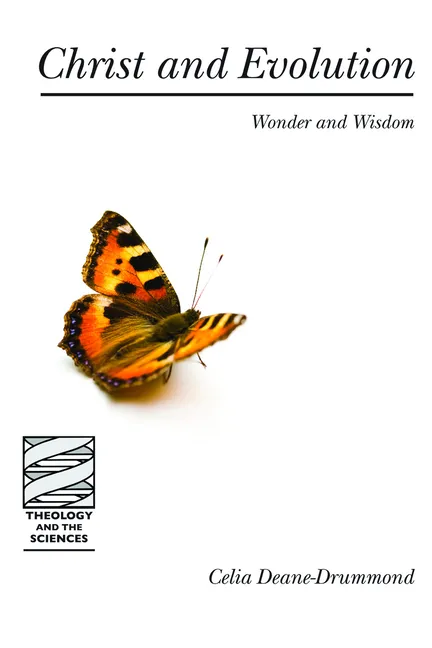
Christ and Evolution
Report an issue
Tell us what's wrong and we'll take a look.
Thanks – we got it. We'll review and follow up if needed.
The way Christ is understood is at the heart of Christian faith andself-understanding. It forms the basis of Christologies that can rangefrom the most traditional, expressing the understanding Christ as bothhuman and divine person, to the most liberal, where Christ isunderstood as divine inasmuch as he is a man who is perfectly obedientto the will of God. Our images of Christ inevitably bear on theparticular culture in which we are situated. So, it is somewhatsurprising that the science and religion dialogue has focused most ona doctrine of God, while rarely addressing the figure of Christ.
This book sets out to develop a Christology that is far more consciousof the evolutionary history of humanity and current evolutionarytheories about the natural world in general. It argues that one meansof developing a Christology that can be informed by such theories isthrough the concepts of wisdom and wonder. Both have a definedtheological role but also act as mediating concepts with science andpoint to a spirituality that incorporates both science and theology.
Celia E. Deane-Drummond
Celia Deane-Drummond is Professor of Theology and Director of the Center for Theology, Science and Human Flourishing at the University of Notre Dame. Her recent books include The Wisdom of the Liminal (2014), Technofutures, Nature, and the Sacred(coeditor, 2015) and Ecology in Jurgen Moltmann's Theology (Wipf & Stock, 2016).


Why Readwise Books?
Readwise Books is an ebook & audiobook platform that automatically logs how much you and your friends read, making it fun and easy to read more. Learn more →