Report an issue
Tell us what's wrong and we'll take a look.
Thanks – we got it. We'll review and follow up if needed.

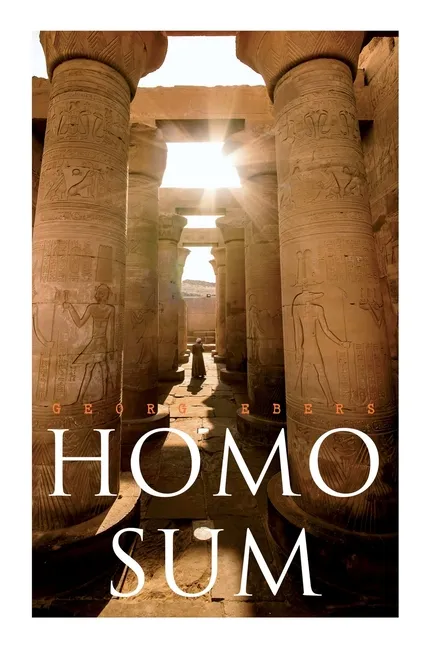
In "Homo Sum," Georg Ebers delves into the philosophical and ethical dilemmas of humanity, unfurling a narrative that intricately explores the nature of identity and existence. Set against the backdrop of the tumultuous late 19th century, the novel is characterized by its rich descriptive language and deep psychological insight. Ebers employs a blend of realism and poetic prose, inviting readers to reflect on the complexities of human nature through the lives of memorable characters each wrestling with their own moral uncertainties, ultimately framing the text within the broader discourse of German literature's engagement with existential themes. Georg Ebers, a prominent German Egyptologist and novelist, lived a life deeply intertwined with the intellectual currents of his time. His academic pursuits and explorations in Egyptian antiquity informed his narrative style and thematic choices, as he sought not only to entertain but also to probe fundamental questions about the human condition. Ebers' background in classical studies and his fascination with history are prevalent throughout "Homo Sum," demonstrating his ambition to weave the philosophical threads of modernity with the enduring inquiries of the past. Readers who appreciate literature that challenges them to think critically about their own humanity will find "Homo Sum" an enriching experience. It stands as a compelling invitation to explore the intersection of individuality, morality, and the essence of what it means to be human, making it a significant contribution to the literary canon and a must-read for those engaged with philosophical literature.










Why Readwise Books?
Readwise Books is an ebook & audiobook platform that automatically logs how much you and your friends read, making it fun and easy to read more. Learn more →