Report an issue
Tell us what's wrong and we'll take a look.
Thanks – we got it. We'll review and follow up if needed.
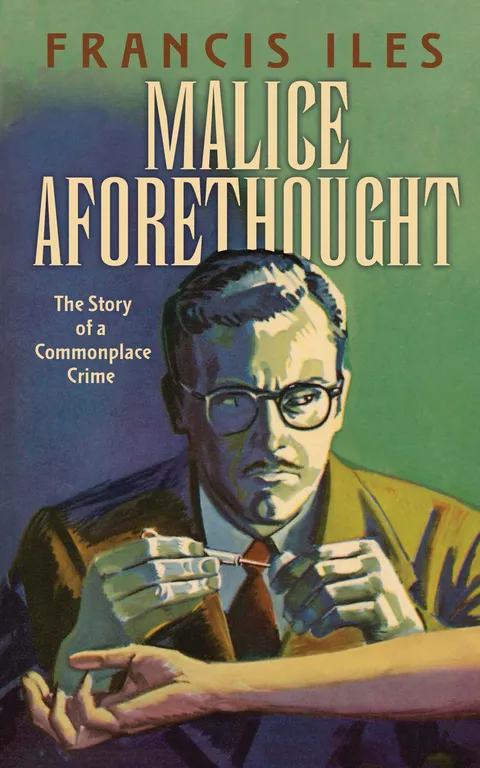
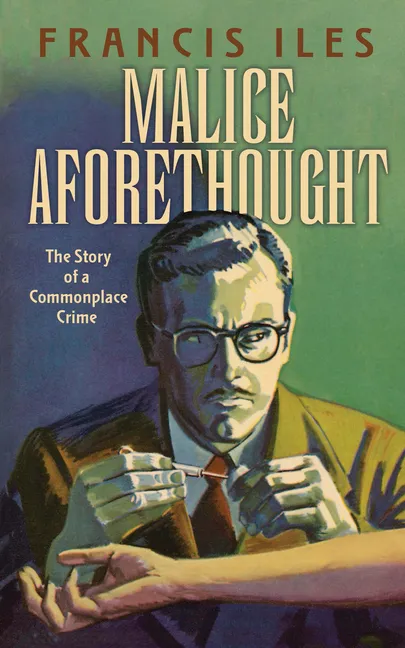
"Possibly the best shocker ever written." -- The English ReviewDr. Edmund Bickleigh married above his station. Although popular and well respected in his little Devonshire community, he seethes with resentment at the superior social status of his domineering wife, Julia. Bickleigh soothes his inferiority complex by seducing as many of the local women as he possibly can -- but with the collapse of his latest fling and a fresh dose of sneering contempt from Julia, the doctor resolves to silence his wife forever and begins plotting the perfect murder.
With Malice Aforethought, Francis Iles produced not just a darkly comic narrative of psychological suspense but also a landmark in crime fiction: for the first time, the murderer's identity was revealed at the start of the tale. Hailed as a tour de force by the British press of its day, the book retains its shock value and stands at #16 in the Crime Writers' Association ranking of the Top 100 Crime Novels of All Time.
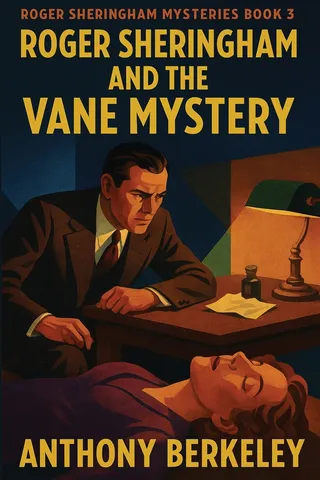
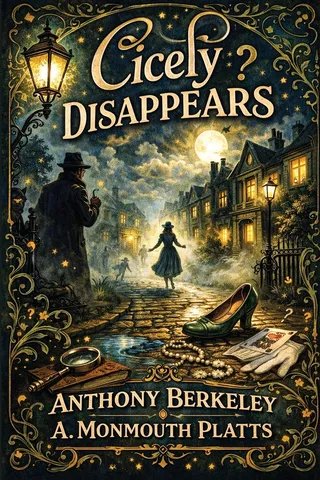
Anthony Berkeley
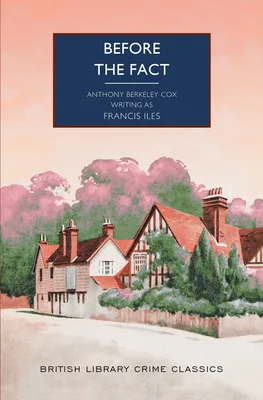
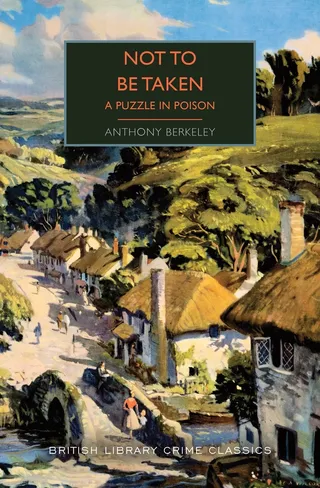
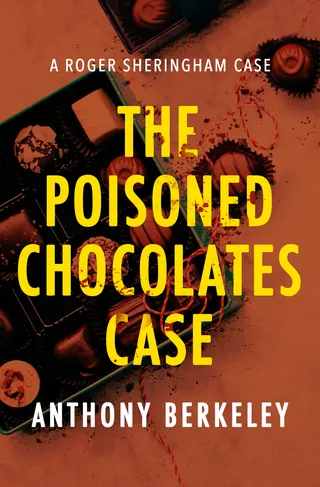
Anthony Berkeley (1893-1971) was the pen name of Anthony Berkeley Cox, an English writer who also published crime novels as Francis Iles. Born in Watford, he served in the First World War and began his literary career writing humorous pieces for periodicals. He brought that experience to detective fiction, where a joke could expose the confidence with which an investigator had mistaken a good story for a satisfactory explanation.The Layton Court Mystery (1925) introduced Roger Sheringham, an amateur detective with a willingness to test an idea and a capacity to be wrong about it. In The Poisoned Chocolates Case (1929), Berkeley places Sheringham in a group of people trying to explain the same death. A familiar form of detective story usually brings many scattered observations together in one solution. Berkeley uses the time it takes to hear several solutions to make a reader attend to the choices each investigator has made while putting the observations in order.Berkeley helped found the Detection Club, a gathering of British crime writers whose members included Dorothy L. Sayers and Agatha Christie. The club offered opportunities to think about and play with the conventions that had become familiar to mystery readers. The Crimes Circle in The Poisoned Chocolates Case has its own fictional purposes, but readers can see why a writer interested in conversation between people with different methods would want to give his investigators a room of their own.Under the name Francis Iles, Berkeley published Malice Aforethought (1931) and Before the Fact (1932). These books put the reader closer to the motives and uncertainties of people involved in a crime than a conventional inquiry might allow. He later wrote criticism and reviews, continuing to consider how mysteries worked after his own period of writing novels had largely ended. His different approaches remain easy to see side by side. A Sheringham book can let the reader test a case and discover how readily it falls apart. An Iles novel can make a person uneasy about how much they already know. In both, Berkeley takes an interest in the moment when the terms on which a reader is following the story begin to change.
More by Anthony Berkeley


Why Readwise Books?
Readwise Books is an ebook & audiobook platform that automatically logs how much you and your friends read, making it fun and easy to read more. Learn more →