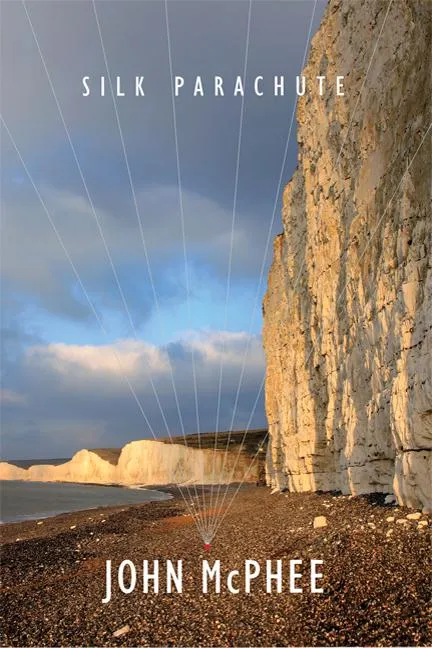
Silk Parachute
Report an issue
Tell us what's wrong and we'll take a look.
Thanks – we got it. We'll review and follow up if needed.
A WONDROUS NEW BOOK OF MCPHEE'S PROSE PIECES--IN MANY ASPECTS HIS MOST PERSONAL IN FOUR DECADES
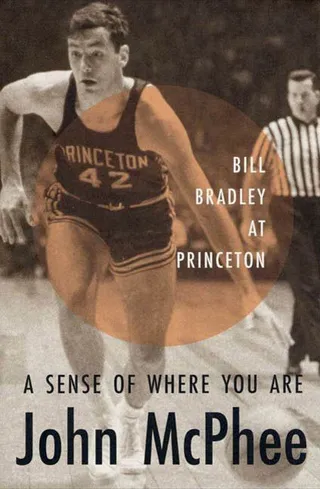
The brief, brilliant essay "Silk Parachute," which first appeared in The New Yorker a decade ago, has become John McPhee's most anthologized piece of writing. In the nine other pieces here-- highly varied in length and theme--McPhee ranges with his characteristic humor and intensity through lacrosse, long-exposure view-camera photography, the weird foods he has sometimes been served in the course of his reportorial travels, a U.S. Open golf championship, and a season in Europe "on the chalk" from the downs and sea cliffs of England to the Maas valley in the Netherlands and the champagne country of northern France. Some of the pieces are wholly personal. In luminous recollections of his early years, for example, he goes on outings with his mother, deliberately overturns canoes in a learning process at a summer camp, and germinates a future book while riding on a jump seat to away games as a basketball player. But each piece--on whatever theme--contains somewhere a personal aspect in which McPhee suggests why he was attracted to write about the subject, and each opens like a silk parachute, lofted skyward and suddenly blossoming with color and form.
John Angus McPhee
John Angus McPhee (born March 8, 1931) is an American writer, widely considered one of the pioneers of creative nonfiction. He won the Pulitzer Prize in the category General Nonfiction in 1999 for Annals of the Former World. In 2008 he received the George Polk Career Award for his "indelible mark on American journalism during his nearly half-century career." John McPhee is a Professor of writing at Princeton University where he has taught since 1974.
More by John Angus McPhee


Why Readwise Books?
Readwise Books is an ebook & audiobook platform that automatically logs how much you and your friends read, making it fun and easy to read more. Learn more →