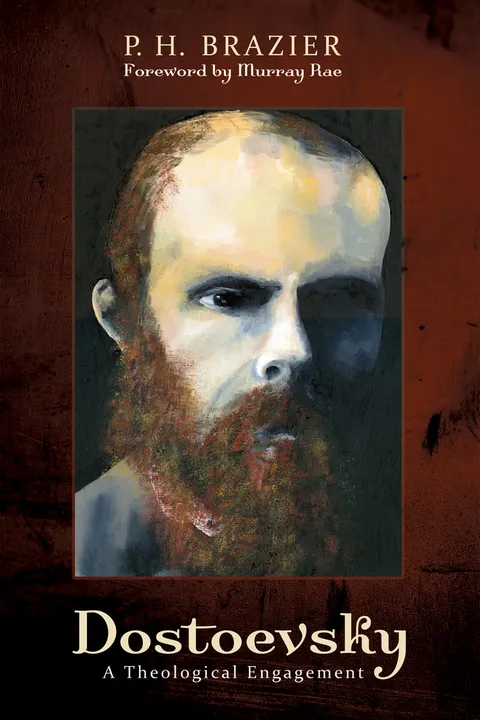
Dostoevsky
Report an issue
Tell us what's wrong and we'll take a look.
Thanks – we got it. We'll review and follow up if needed.
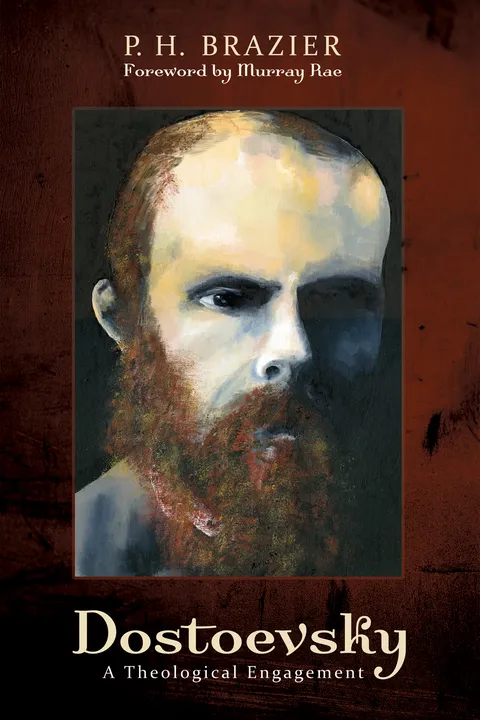
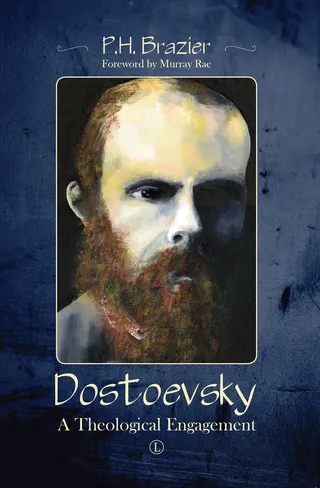
As a writer and prophet Dostoevsky was no academic theologian, yet his writings are deeply theological: his life, beliefs, even his epilepsy, all had a role in generating his theology and eschatology. Dostoevsky's novels are riven with paradoxes, are deeply dialectical, and represent a criticism of religion, offered in the service of the gospel. In this task he presented a profound understanding and portrait of humanity. Dostoevsky's novels chart the movement of the human into death: either the movement through paradox and Christlikeness into Christ's cross (a soteriology often characterized by the apophatic negation and self-denial; what we may term "the Mark of Abel") leading to salvation and resurrection; or, conversely, the movement of those who refuse Christ's invitation to be redeemed, and continue to fall into a self-willed death and a self-generated hell (the Mark of "Cain"). This eschatology becomes a theological axiom which he unceasingly warned people of in his mature works. Startlingly original, stripped of all religious pretence (some prostitutes and criminals might just have a better understanding of salvation than some of the pietistic, wealthy, and cultured classes), Dostoevsky as a prophet forewarned of the politicized humanistic delusions of the twentieth century: a prophet crying out through the wilderness.
P H Brazier
Originally trained in the fine arts in the 1970s and having taught extensively, Paul Brazier holds degrees in Systematic Theology from King's College London, where he completed his PhD on Barth and Dostoevsky. He is the editor of Colin E. Gunton's The Barth Lectures (2007) and The Revelation and Reason Seminars (2008).
More by P H Brazier


Why Readwise Books?
Readwise Books is an ebook & audiobook platform that automatically logs how much you and your friends read, making it fun and easy to read more. Learn more →