Passing
Report an issue
Tell us what's wrong and we'll take a look.
Thanks – we got it. We'll review and follow up if needed.
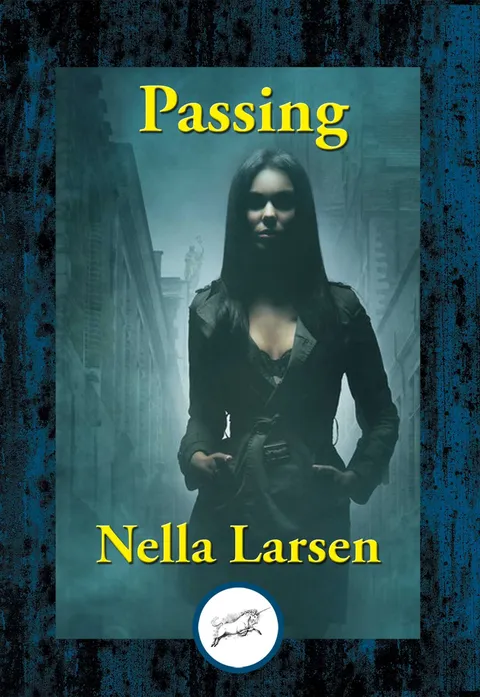
This Signet Classics edition of Passing includes an Introduction by Brit Bennett, the bestselling author of The Vanishing Half.
One of The Atlantic's Great American Novels of the Past 100 Years
Irene Redfield is a Black woman living an affluent, comfortable life with her husband and children in the thriving neighborhood of Harlem in the 1920s. When she reconnects with her childhood friend Clare Kendry, who is similarly light-skinned, Irene discovers that Clare has been passing for a white woman after severing ties to her past--even hiding the truth from her racist husband.
Clare finds herself drawn to Irene's sense of ease and security with her Black identity and longs for the community (and, increasingly, the woman) she lost. Irene is both riveted and repulsed by Clare and her dangerous secret, as Clare begins to insert herself--and her deception--into every part of Irene's stable existence. First published in 1929, Larsen's brilliant examination of the various ways in which we all seek to "pass," is as timely as ever.
Nella Larsen
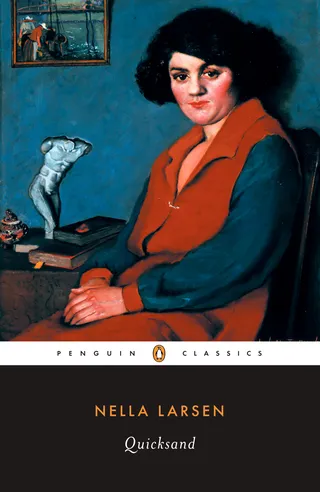
Nella Larsen was born Nellie Walker in 1891 in Chicago. Her mother was a Danish immigrant and her father an immigrant from the Danish West Indies. Larsen attended school in all white environments in Chicago until she moved to Nashville to attend high school. Larsen later practiced nursing, and from 1922 to 1926, served as a librarian at the New York Public Library. After resigning from this position, Larsen began her literary career by writing her first novel, Quicksand (1928), which won her the Harmon Foundation's bronze medal. After the publication of her second novel, Passing (1929), Larsen was awarded the first Guggenheim Fellowship given to an African American woman, establishing her as a premier novelist of the Harlem Renaissance. Nella Larsen died in New York in 1964.
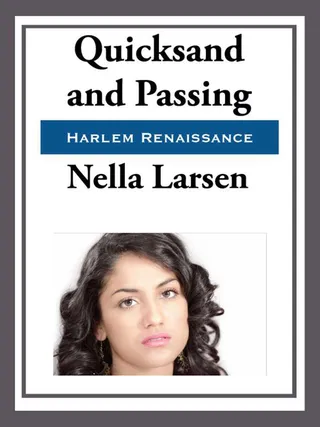
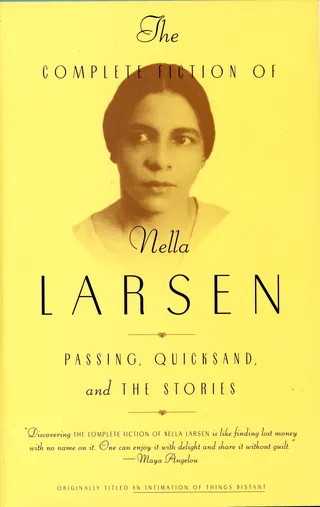
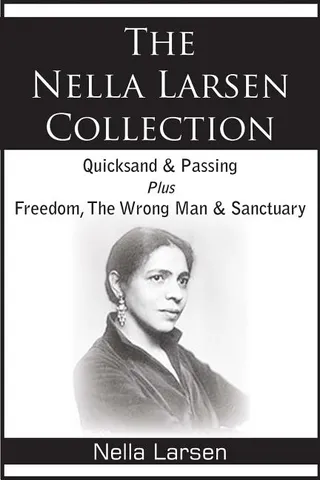
More by Nella Larsen





Why Readwise Books?
Readwise Books is an ebook & audiobook platform that automatically logs how much you and your friends read, making it fun and easy to read more. Learn more →