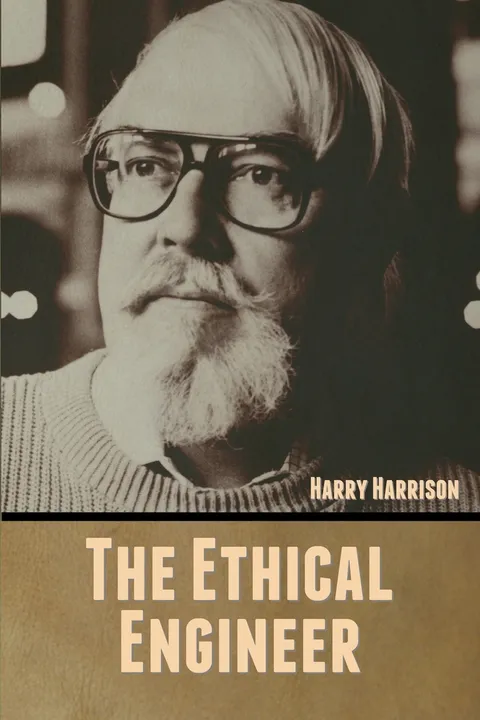
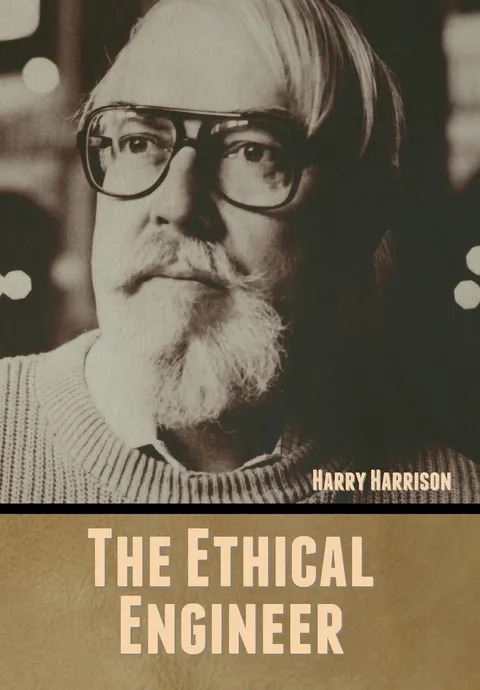
The Ethical Engineer
Report an issue
Tell us what's wrong and we'll take a look.
Thanks – we got it. We'll review and follow up if needed.
Harry Max Harrison (born Henry Maxwell Dempsey; March 12, 1925 - August 15, 2012) was an American science fiction author, known mostly for his character The Stainless Steel Rat and for his novel Make Room! Make Room! (1966). The latter was the rough basis for the motion picture Soylent Green (1973). Long resident in both Ireland and the United Kingdom, Harrison was involved in the foundation of the Irish Science Fiction Association, and was, with Brian Aldiss, co-president of the Birmingham Science Fiction Group.
Aldiss called him "a constant peer and great family friend". His friend Michael Carroll said of Harrison's work: "Imagine Pirates of the Caribbean or Raiders of the Lost Ark, and picture them as science-fiction novels. They're rip-roaring adventures, but they're stories with a lot of heart." Novelist Christopher Priest wrote in an obituary:
Harrison was an extremely popular figure in the SF world, renowned for being amiable, outspoken and endlessly amusing. His quickfire, machine-gun delivery of words was a delight to hear, and a reward to unravel: he was funny and self-aware, he enjoyed reporting the follies of others, he distrusted generals, prime ministers and tax officials with sardonic and cruel wit, and above all he made plain his acute intelligence and astonishing range of moral, ethical and literary sensibilities. (wikipedia.org)
Harry Harrison
HARRY HARRISON (1925-2012) was the Hugo Award-nominated, Nebula Award-winning and New York Times bestselling author of the Stainless Steel Rat, Deathworld, and West of Eden series, as well as Make Room! Make Room! which was turned into the cult classic movie, Soylent Green starring Charlton Heston and Edward G. Robinson. In 2009 Harrison was awarded the Damon Knight SF Grand Master Award by the Science Fiction Writers of America.
More by Harry Harrison










Why Readwise Books?
Readwise Books is an ebook & audiobook platform that automatically logs how much you and your friends read, making it fun and easy to read more. Learn more →