Crux Ansata - An Indictment of the Roman Catholic Church
Report an issue
Tell us what's wrong and we'll take a look.
Thanks – we got it. We'll review and follow up if needed.
An examination of the Roman Catholic Church's role in shaping Western civilisation, challenging its doctrines, practices, and the far-reaching consequences of its actions throughout history.
With a sharp and incisive tone, H. G. Wells traces the origins of the Catholic Church's authority, scrutinising its involvement in political affairs, its impact on social and intellectual progress, and its often-contentious relationship with science and reason. Examining the persecution of heretics and the Inquisition, Crux Ansata paints a picture of an institution resistant to change and often at odds with the advancement of human knowledge and freedom.
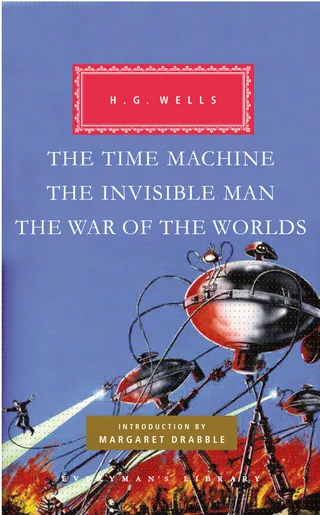
From the prolific writer of bestselling works of science fiction, including The Time Machine (1895) and The War of the Worlds (1898), this critical examination of institutional power was first published in 1943. For readers interested in religious history or the complex interplay between faith and reason, Wells’ Crux Ansata offers an impassioned analysis of the Roman Catholic Church’s enduring influence.
H G Wells
Herbert George Wells (1866-1946) was born in Bromley, England to a working class family. His first novel, The Time Machine, was an instant success and Wells produced a series of science fiction novels which pioneered ideas about the future. His later work focused on satire and social criticism. Wells forecasted the rise of major cities and suburbs, economic globalization, and aspects of future military conflicts.
More by H G Wells







Why Readwise Books?
Readwise Books is an ebook & audiobook platform that automatically logs how much you and your friends read, making it fun and easy to read more. Learn more →